In the rapidly evolving global trade landscape, staying ahead of the curve is essential for automotive businesses. This comprehensive guide provides the 2026 China Automotive Parts Export List to help international buyers navigate the world’s most sophisticated supply chain. As we analyze the 2026 China Automotive Parts Export List, it becomes clear that China has transitioned from a high-volume manufacturer to a high-tech innovation hub, offering unparalleled advantages in cost and quality.
2026 China Automotive Parts Export List: Why it Matters Now
The global automotive industry is undergoing a profound transformation, moving from traditional internal combustion engines (ICE) toward intelligent, electrified mobility. Understanding the 2026 China Automotive Parts Export List is crucial because Chinese suppliers now dominate over 70% of the global electric vehicle (EV) component supply chain. In 2026, the focus has shifted toward “New Quality Productive Forces,” where AI-driven manufacturing and sustainable materials are the new benchmarks.
By leveraging this list, importers can tap into integrated industrial clusters in regions like Shenzhen, Zhejiang, and Jiangsu, which offer “one-stop” sourcing. This integration reduces lead times and minimizes logistical risks, which is vital in a year where global supply chain resilience is tested by fluctuating energy costs and new trade regulations.
Core Categories of the 2026 Export List
To provide a clear roadmap for your procurement strategy, we have categorized the most high-demand components currently leaving Chinese ports.
1. New Energy Vehicle (NEV) Power Systems
As of early 2026, China’s NEV exports have surged by 120%, with a massive shift toward Plug-in Hybrid (PHEV) and Hybrid (HEV) components.
-
Battery Management Systems (BMS): High-precision modules for cell balancing and thermal safety.
-
Electric Drive Assemblies: Integrated “3-in-1” systems combining the motor, gearbox, and inverter.
-
Charging Infrastructure: DC fast-charging modules and portable vehicle-to-load (V2L) adapters.
2. Intelligent Driving & Cockpit Electronics
With the “third wave” of AI disruption hitting the industry in 2026, electronics are the fastest-growing segment in the 2026 China Automotive Parts Export List.
-
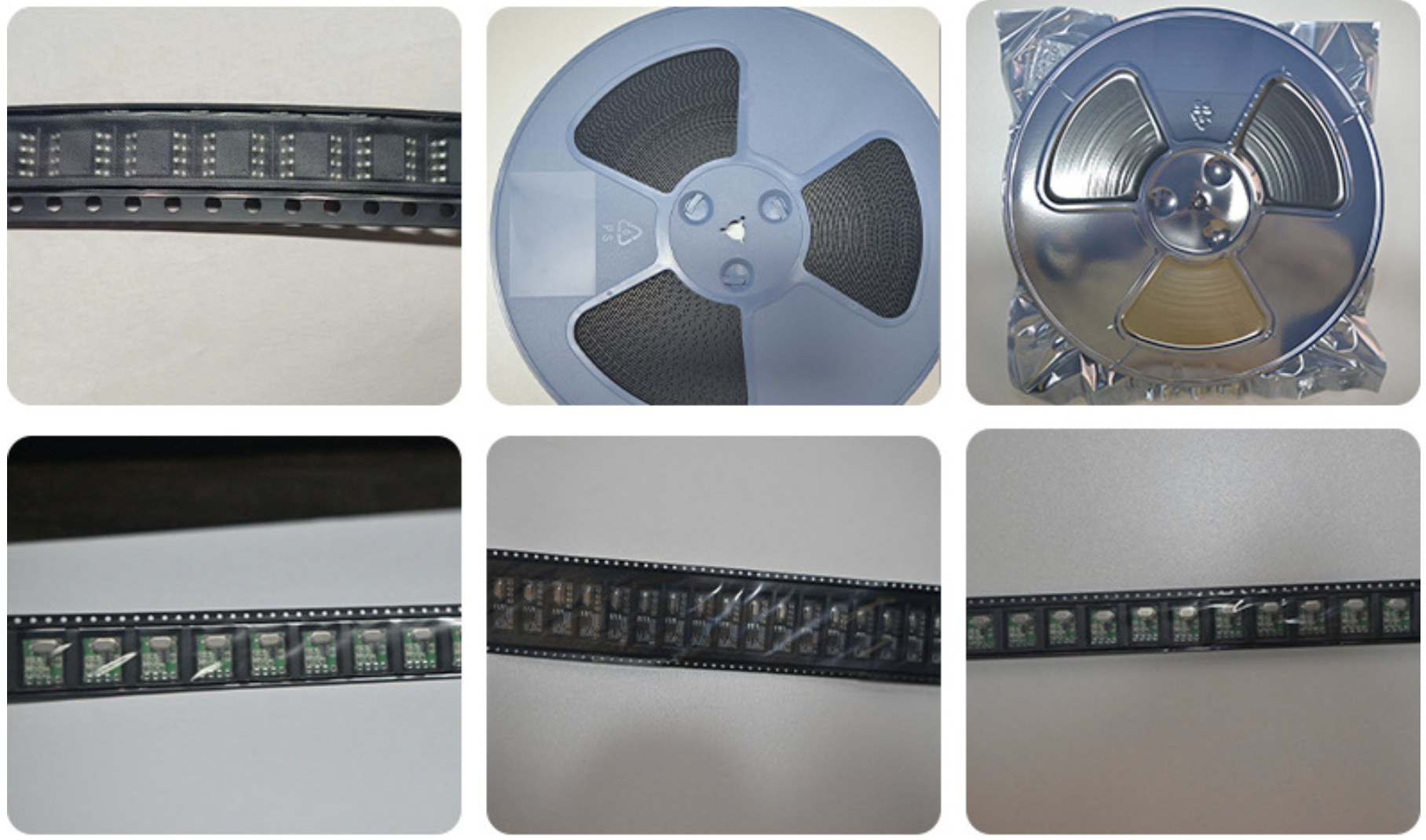
Smart Sensors: Solid-state LiDAR, 4D millimeter-wave radars, and high-definition surround-view cameras.
-
Infotainment Units: Large-scale OLED curved screens and AI-integrated head-up displays (HUD).
-
Control Modules: Advanced ECU and Gateway modules that support Over-the-Air (OTA) updates.
3. High-Precision Chassis & Braking Systems
Traditional parts haven’t been left behind; they’ve been upgraded for the heavier weight and instant torque of modern vehicles.
-
Air Suspension Systems: Increasingly popular in the global aftermarket for luxury upgrades.
-
Regenerative Braking Components: Specialized brake discs and pads designed for high-heat dissipation in EVs.
-
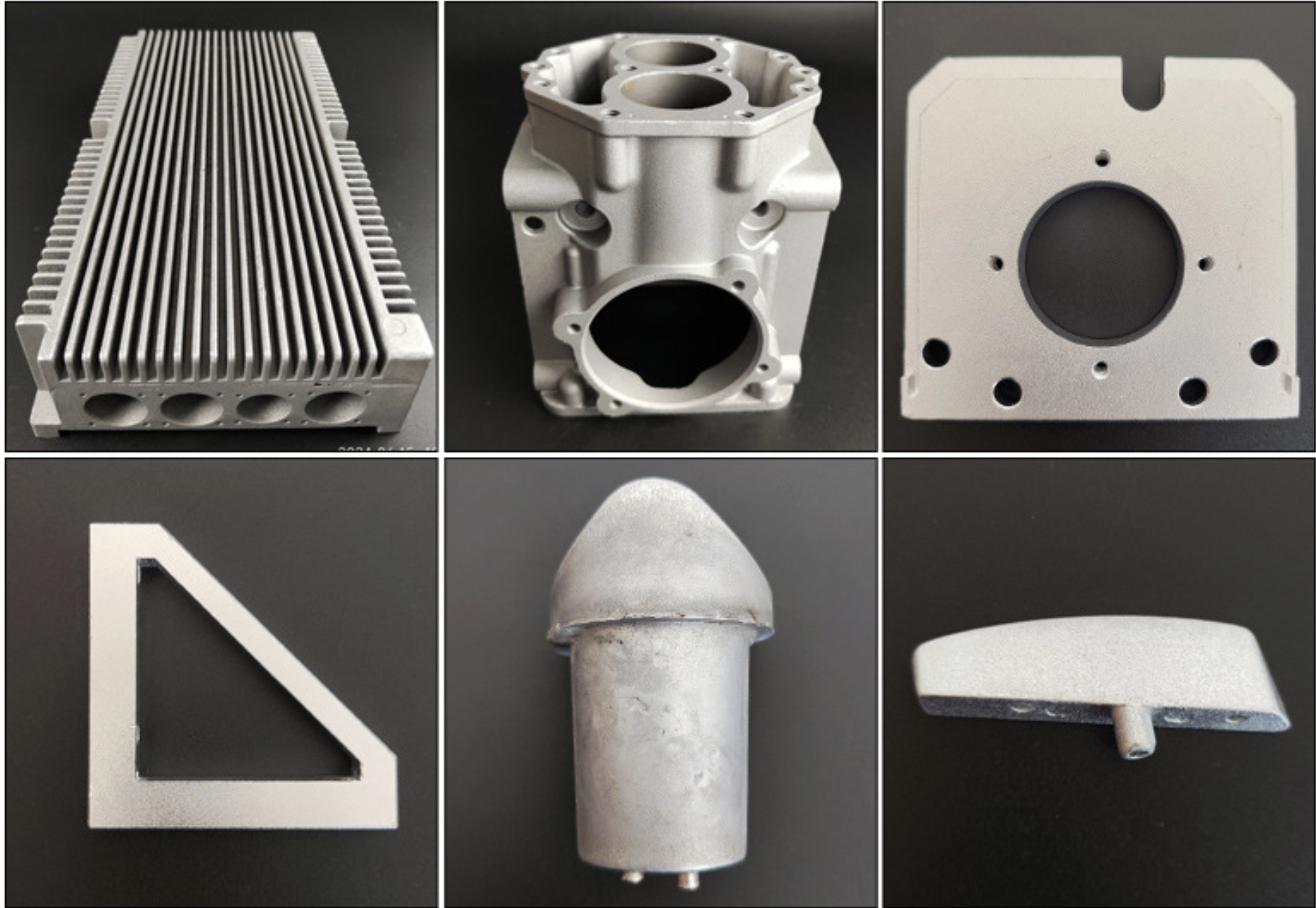
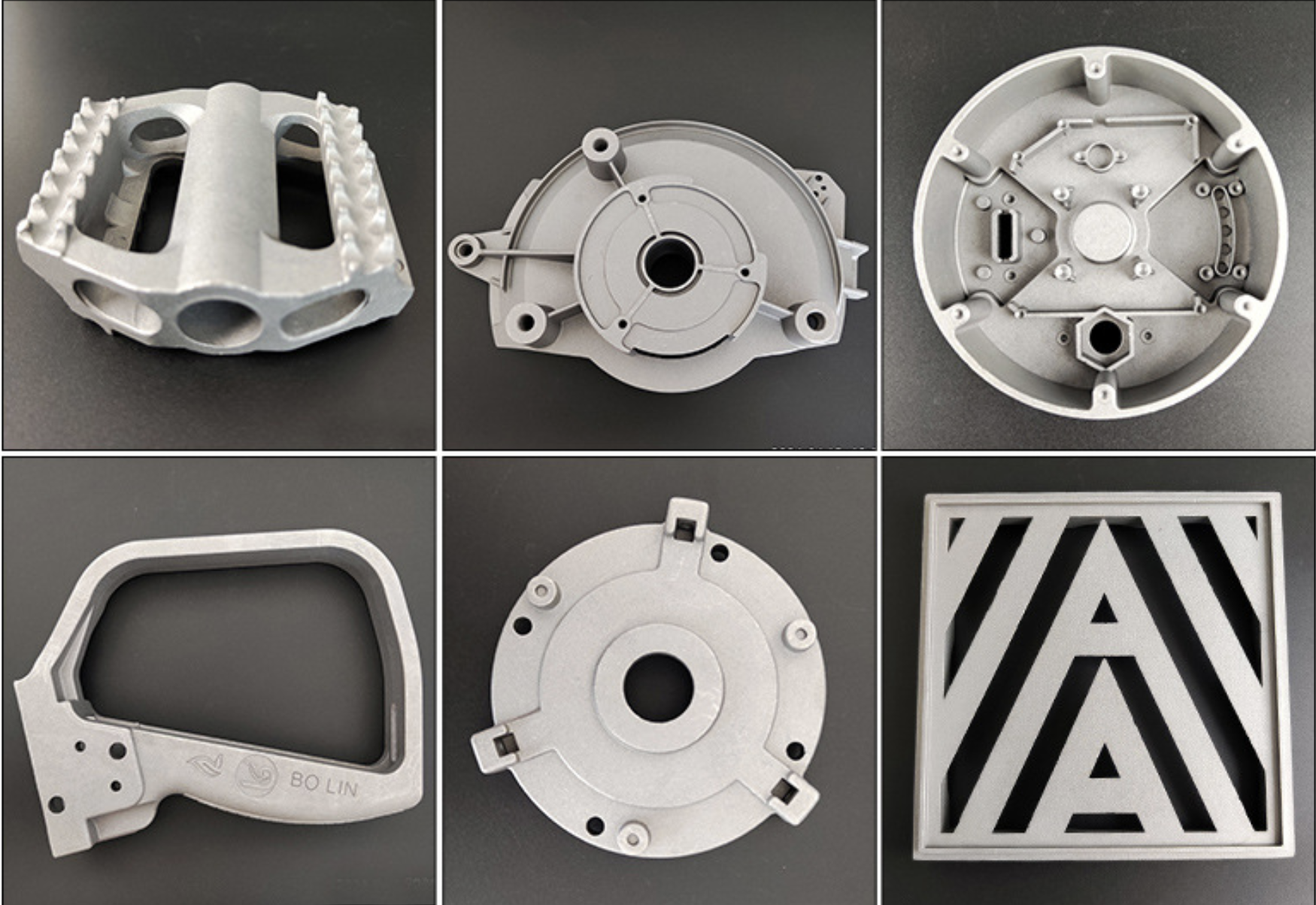
Lightweight Alloy Parts: Aluminum-magnesium die-cast components to extend vehicle range.
Implementation Guide: How to Source Successfully in 2026
Sourcing from the 2026 China Automotive Parts Export List requires more than just picking a vendor. Follow these detailed steps to ensure compliance and quality:
-
Verify Manufacturer Authorization: Starting January 1, 2026, new regulations in China require exporters to hold direct manufacturer authorizations for “New” vehicle parts. Ensure your supplier provides a “Certificate of After-Sales Service Confirmation.”
-
Conduct Technical Audits: Don’t just rely on ISO 9001. In 2026, look for IATF 16949:2016 certification and specific environmental, social, and governance (ESG) compliance scores, which are now required for entry into the EU and North American markets.
-
Utilize Sourcing Hubs: Focus your search on districts like Longhua in Shenzhen for electronics, or Ningbo for precision casting. These clusters offer localized R&D and rapid prototyping services.
2026 Export Policy & Market FAQ
Q: Are there new tariffs on Chinese auto parts in 2026?
A: While some regions have implemented countervailing duties, many Chinese firms have countered this by establishing “Glocal” strategies—setting up assembly plants in Mexico, Brazil, and Spain to serve local markets while exporting core components from China.
Q: Why is the 2026 list focused so heavily on PHEV parts?
A: In 2026, global demand has pivoted toward PHEVs as a bridge technology. Chinese manufacturers have optimized the cost of dual-power systems, making them the most competitive export products this year.
Q: Can I still buy “Used” parts for export?
A: Yes, but the definition has tightened. Vehicles or parts registered for less than 180 days are now strictly regulated to prevent “gray market” parallel exports.
Summary Table: Export Momentum 2026
| Category | Export Growth (YoY) | Key Feature 2026 |
| NEV Batteries | +88% | Solid-state & Sodium-ion options |
| Smart Lighting | +45% | MicroLED & Illuminated Grilles |
| Chassis Parts | +30% | Lightweighting & Die-casting |
| AI Sensors | +150% | Integrated Autonomous Processing |
Keywords & Tags:
2026 China Automotive Parts Export List, China Auto Parts Sourcing, NEV Component Exports, China EV Battery Supply Chain, Automotive Electronics China, High-Precision Car Parts, China Aftermarket Parts 2026, Global Auto Supply Chain, Shenzhen Auto Parts Manufacturers, Intelligent Driving Hardware