In the highly competitive global automotive aftermarket, finding a reliable supplier for safety-critical components is the foundation of a successful distribution business. This article focuses on the strategic advantages of Automotive Brake Pad Export Specialization to help international buyers navigate the complexities of friction material sourcing. When you partner with a provider focused on Automotive Brake Pad Export Specialization, you gain access to products engineered specifically for diverse road conditions, ranging from the high-speed Autobahns of Europe to the heavy-traffic urban centers of Southeast Asia, ensuring maximum safety and durability for every vehicle.
The Core Value of Automotive Brake Pad Export Specialization
Brake pads are not a “one-size-fits-all” product. True Automotive Brake Pad Export Specialization involves understanding that a driver in the Middle East requires different heat dissipation properties than a driver in Northern Canada. By focusing on export-specific manufacturing, we ensure that the friction formulas—whether Semi-Metallic, Low-Steel, or Ceramic—are optimized for the target market’s climate and driving habits.
Why is specialization necessary? Standard domestic pads might focus solely on cost-efficiency. However, export-grade pads prioritize noise reduction (NVH), low-dust formulas, and stable friction coefficients across a wide temperature spectrum. This specialization prevents common export issues such as “brake fade” in mountainous regions or excessive squealing in humid coastal environments.
A Step-by-Step Guide to Sourcing Premium Brake Pads
To ensure your Automotive Brake Pad Export Specialization procurement process is flawless, follow these detailed industry steps:
1. Identify the Correct Friction Material
Before placing a bulk order, you must match the material to the vehicle type and region:
-
Ceramic: Best for passenger cars in North America and Japan. They are quiet and keep wheels clean.
-
Semi-Metallic: Ideal for heavy-duty trucks and high-performance vehicles in Europe due to superior heat transfer.
-
Low-Steel: Great for high-speed braking stability but may produce more dust.
2. Verify Certification Standards (AMECA & E-Mark)
For Automotive Brake Pad Export Specialization, certifications are your shield.
-
Why? In the EU, ECE R90 certification is mandatory. It proves the replacement pad performs within 15% of the original equipment (OE). In the USA, look for the Edge Code (e.g., GG or FF), which indicates the friction coefficient at different temperatures.
3. Inspect the Backing Plate and Shims
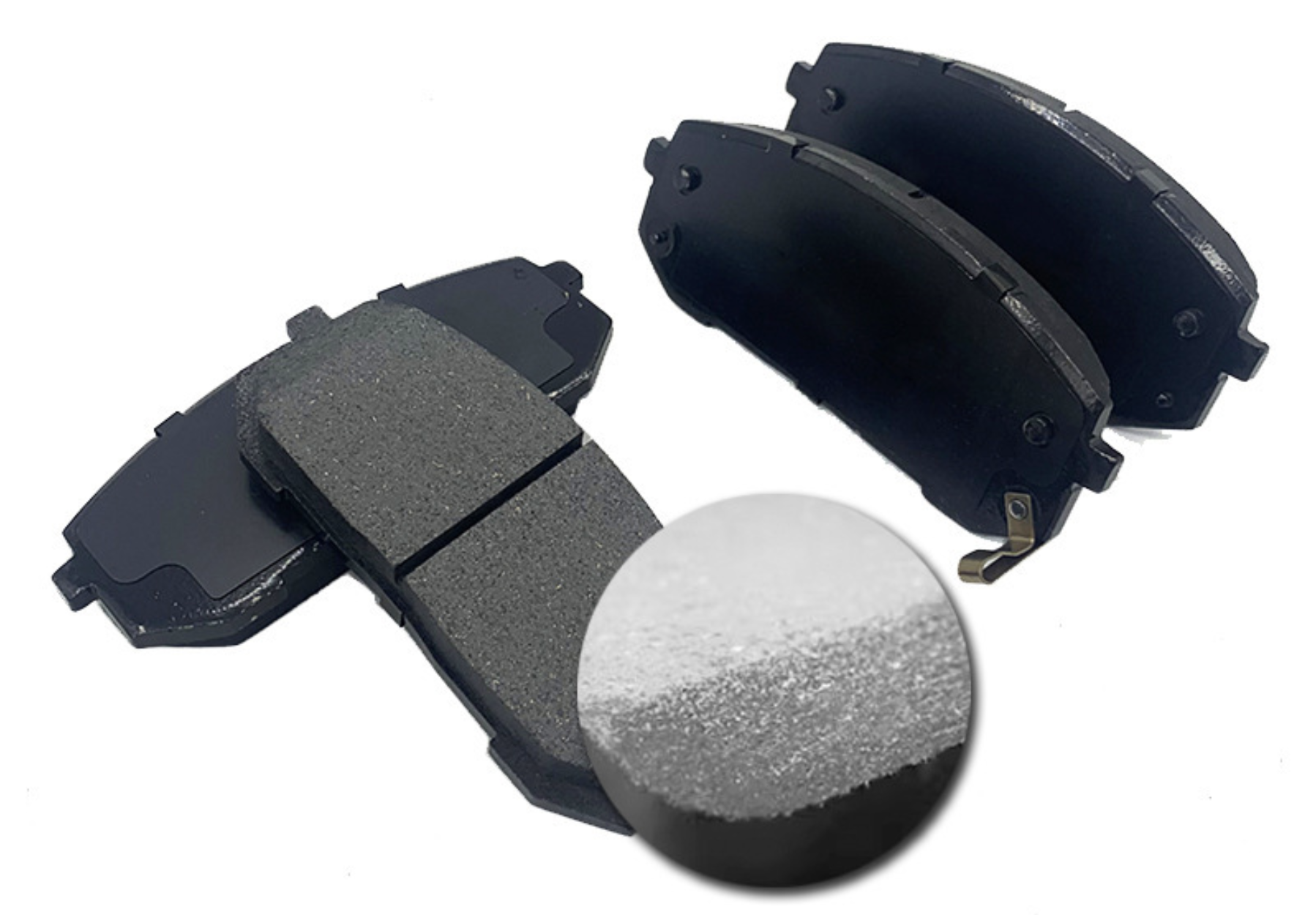
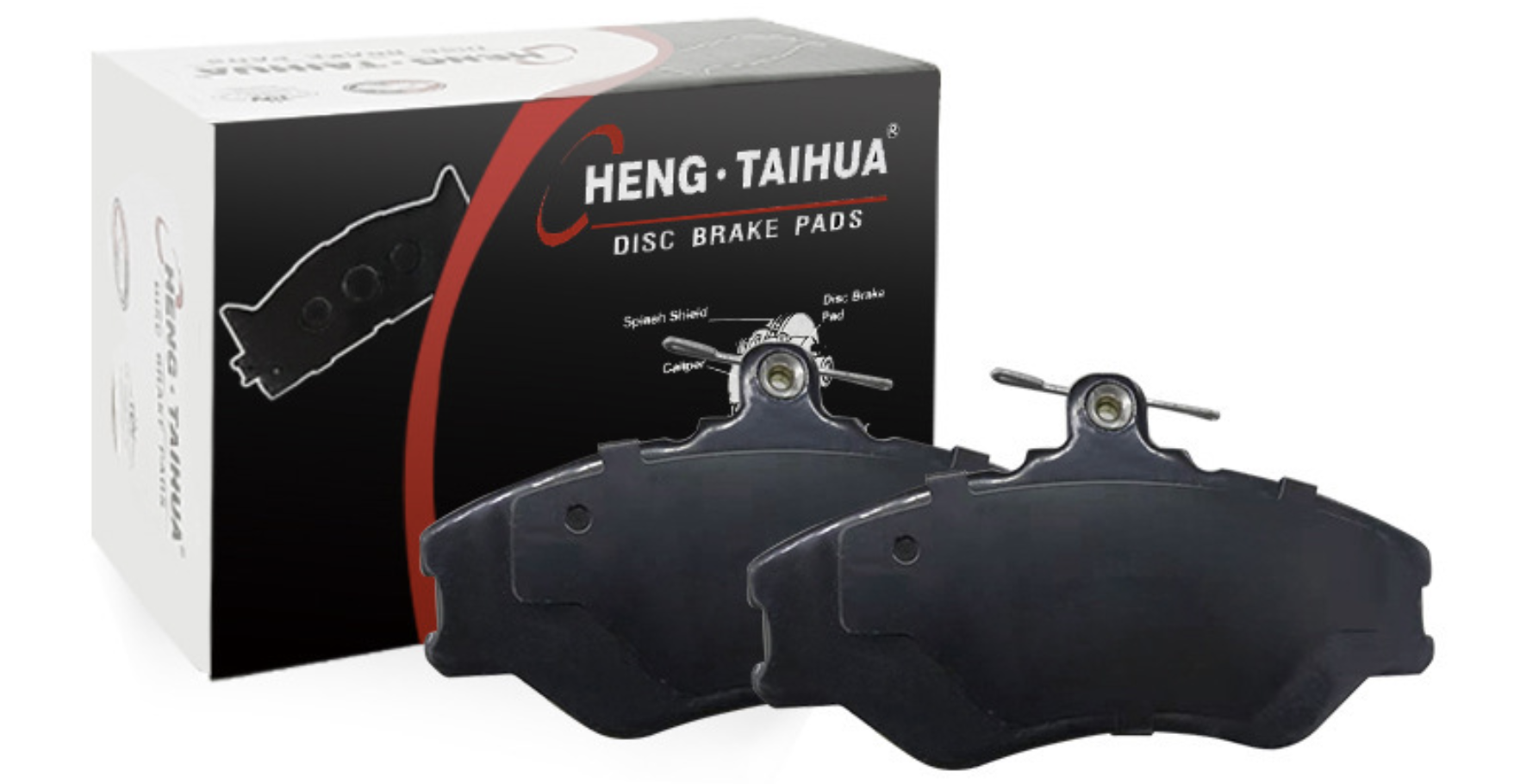
A high-quality export pad is more than just the friction block. Ensure the backing plate is powder-coated for corrosion resistance (essential for snowy regions using road salt) and that multi-layer anti-noise shims are pre-installed to ensure a “silent” braking experience for the end-user.
Comparing Brake Pad Formulations for Global Markets
| Feature | Ceramic Formula | Semi-Metallic | Low-Steel Formula |
| Noise Level | Extremely Low | Moderate | Low to Moderate |
| Dust Production | Very Low | High | Moderate |
| Heat Tolerance | Moderate | Very High | High |
| Best For | Luxury/Daily Commute | Towing/Performance | European Sedans |
FAQ: Common Questions in Brake Pad Export
Q: Why do my customers complain about “squealing” even with new pads?
A: This is often due to a lack of Automotive Brake Pad Export Specialization in the shim design. Specialized export pads use a “sandwiched” shim of rubber and steel to absorb micro-vibrations. Additionally, failing to apply copper grease to the contact points during installation can cause resonance.
Q: How do I handle the “Bedding-In” process for new pads?
A: Most specialized pads now feature a “Scorched” surface. This factory process involves heating the friction material to remove residual gases, which reduces the “bedding-in” time and provides immediate stopping power right out of the box.
Q: What is the average lifespan of an export-grade brake pad?
A: Depending on driving habits, a high-quality specialized pad should last between 30,000 to 70,000 kilometers. We provide customized wear sensors (electronic or mechanical) to notify the driver when a replacement is due.
Success Case: Expanding in the Latin American Market
Last year, a distributor in Chile struggled with rapid brake wear due to the steep Andean terrain. By switching to our Automotive Brake Pad Export Specialization service, we developed a high-density Low-Steel formula specifically for high-altitude heat dissipation. The result was a 40% increase in product lifespan and zero reports of brake fade, leading to a 3-year exclusive supply contract.
Summary: Building a Safer Supply Chain
Investing in Automotive Brake Pad Export Specialization is an investment in your brand’s reputation. By prioritizing E-Mark compliance, regional-specific formulas, and advanced noise-dampening technology, you ensure that your customers receive OE-quality performance at a competitive aftermarket price point.
Keywords & Tags:
Automotive Brake Pad Export Specialization, Ceramic Brake Pads Wholesale, ECE R90 Certified Pads, Semi-Metallic Brake Sourcing, Car Braking Systems China, Low Dust Brake Pads, Global Auto Parts Supplier, Brake Pad Manufacturing, OEM Quality Brake Pads, Friction Material Export