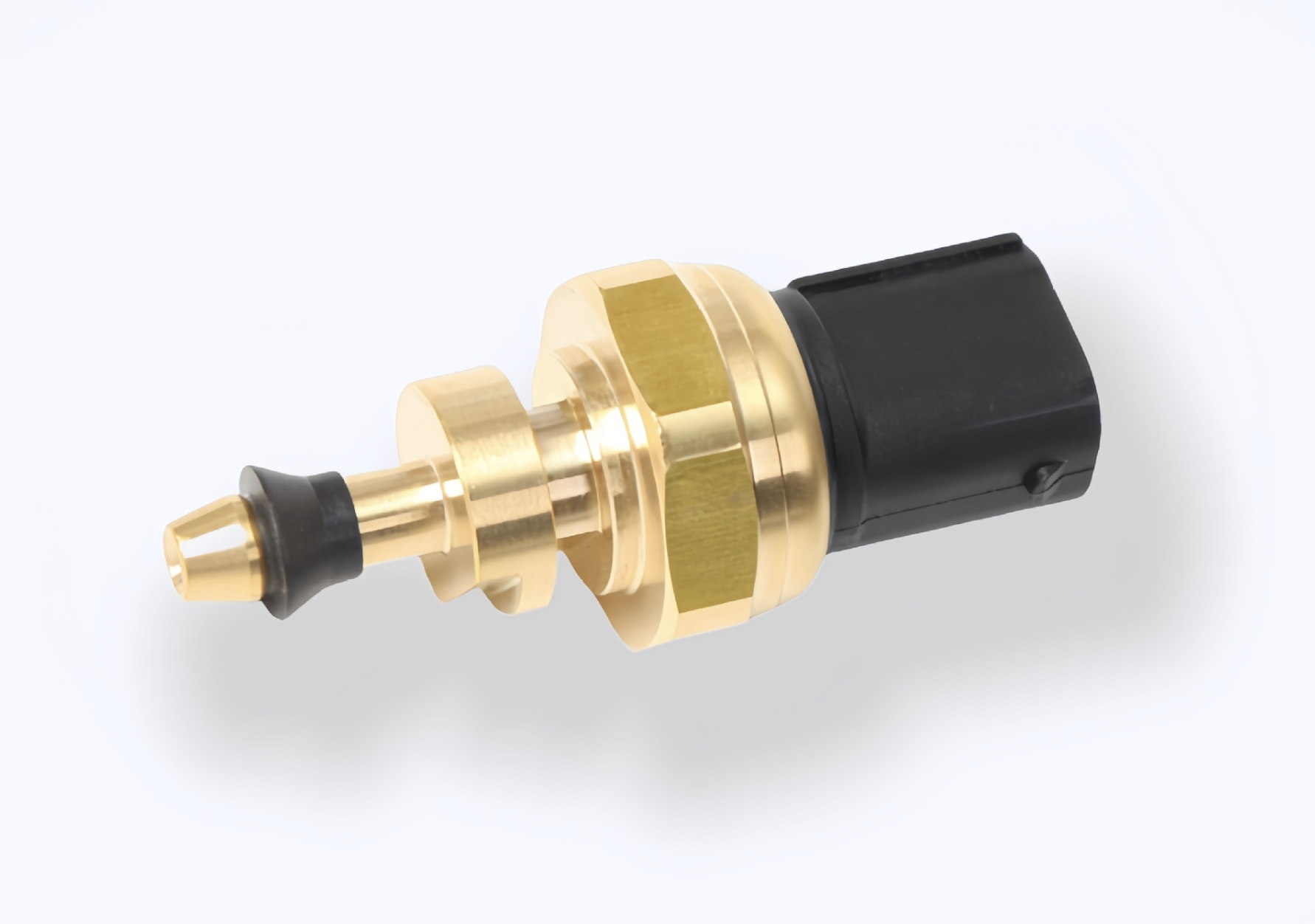
In the modern automotive industry, safety and efficiency are no longer optional—they are foundational. This comprehensive guide focuses on the strategic nuances of Automotive TPMS Sensor Procurement to help distributors and fleet managers maintain optimal vehicle performance. When executing your Automotive TPMS Sensor Procurement plan in 2026, it is vital to prioritize chip stability and battery longevity, as these small Tire Pressure Monitoring System components are the first line of defense against tire blowouts, uneven tread wear, and decreased fuel economy.
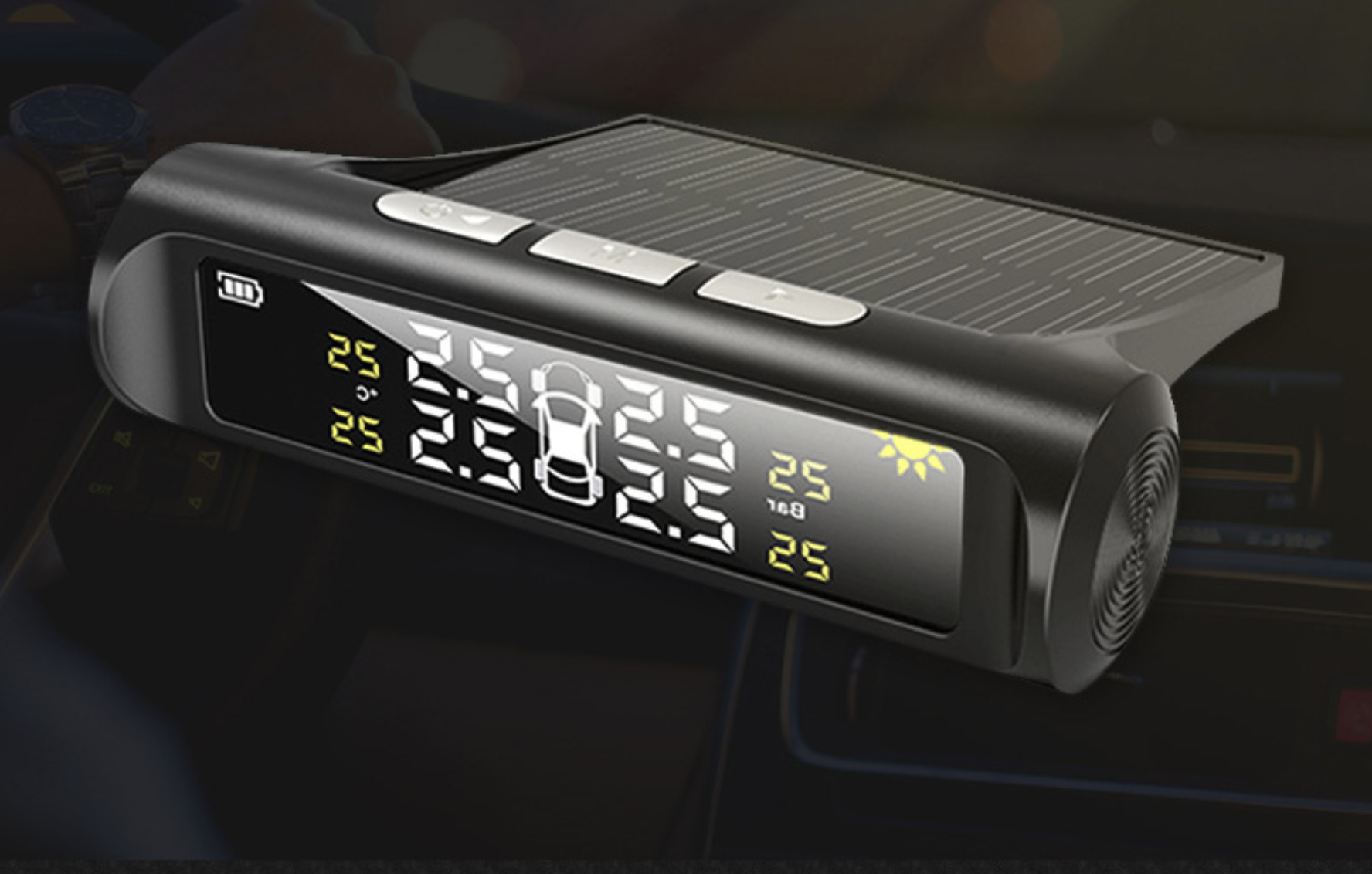
The Strategic Importance of Automotive TPMS Sensor Procurement
Tire Pressure Monitoring Systems (TPMS) have transitioned from luxury features to mandatory safety requirements in most global markets. Effective Automotive TPMS Sensor Procurement ensures that your inventory meets the rigorous demands of real-world driving.
Why is precision so critical? A sensor that is off by even 1.5 PSI can trigger false alarms or, worse, fail to warn a driver of a slow leak. High-quality procurement focuses on sensors equipped with high-grade automotive chips (such as those from NXP or Infineon) that offer “high-pressure” accuracy and rapid data transmission. Furthermore, because these sensors live inside the wheel, they must withstand extreme centrifugal forces and temperature fluctuations without losing their calibration.
Technical Essentials: Understanding Sensor Varieties
To master Automotive TPMS Sensor Procurement, you must distinguish between the two primary types of hardware available in the 2026 market:
1. Universal Programmable Sensors
These are the favorites for wholesale and retail because one SKU can cover up to 98% of vehicle models.
-
The Benefit: By using a programming tool (like those from Autel or TOPDON), you can “flash” the specific vehicle protocol onto the blank sensor. This drastically reduces inventory overhead.
-
Why Choose This? If you serve a diverse range of car brands (BMW, Toyota, Ford, etc.), universal sensors allow you to satisfy a customer immediately without stocking thousands of specific part numbers.
2. Direct OE-Specific Sensors
These come “pre-programmed” for a specific make and model.
-
The Benefit: No programming tool is required; they are “Plug-and-Play.”
-
The Trade-off: They require much higher inventory management precision to ensure the correct frequency (315MHz vs. 433MHz) is provided for the specific region.
Step-by-Step Guide to Successful Procurement
Follow these detailed steps to ensure your Automotive TPMS Sensor Procurement process results in high-quality stock:
Step 1: Frequency Calibration by Region
Before placing a bulk order, verify the target market’s frequency standards.
-
315MHz: Primarily used in North America and Japan.
-
433MHz: The standard for Europe, China, and much of the rest of the world.
-
Action: Ensure your supplier provides clear labeling to prevent cross-contamination in your warehouse.
Step 2: Battery Life and Grade Verification
The battery is the most common failure point. During the Automotive TPMS Sensor Procurement phase, insist on Maxell or Panasonic industrial-grade batteries.
-
Detail: A standard TPMS battery should last 5–7 years. If a supplier offers a significantly lower price, they may be using consumer-grade batteries that will fail in sub-zero temperatures or die within 24 months, leading to costly warranty claims.
Step 3: Valve Stem Material Choice
Choose between Aluminum and Rubber valve stems.
-
Aluminum: Offers a premium look and better durability for high-speed vehicles.
-
Rubber: More flexible and less prone to “galvanic corrosion” in regions where road salt is used heavily during winter.
Comparison: Procurement Channels & Methods
| Feature | Factory Direct (Shenzhen/Ningbo) | Authorized Local Distributor | Global B2B Platforms |
| Pricing | Lowest (Bulk) | Moderate | Variable |
| MOQ | 500 – 1000 units | 10 – 50 units | 1 – 100 units |
| Quality Control | Factory Audit Required | High Trust | High Risk of Clones |
| Lead Time | 4-6 Weeks | 2-3 Days | 1-2 Weeks |
FAQ: Common Procurement Challenges
Q: Can I replace a single TPMS sensor, or do I need to buy all four?
A: You can replace a single sensor, but we recommend checking the battery life of the remaining three. If one has died due to age, the others are likely close behind. For wholesale clients, offering “Sets of 4” is usually the most popular consumer package.
Q: What is the “Relearn” process, and do I need to provide instructions?
A: Yes. Even after a successful Automotive TPMS Sensor Procurement and installation, the car’s ECU needs to “meet” the new sensor. This is done via an OBDII relearn, a stationary relearn, or an auto-relearn (driving for 20 minutes). Providing a “Relearn Guide” with your sensors adds immense value for your customers.
Q: Is there a difference between internal and external sensors?
A: Internal sensors (mounted on the rim) are the automotive industry standard for safety. External “cap” sensors are easier to install but are prone to theft, damage, and inaccurate temperature readings. We strictly focus on internal sensors for professional-grade procurement.
Summary for 2026 Global Sourcing
As vehicles become more autonomous and connected, the role of the tire pressure sensor is expanding into “Tire Intelligence.” By focusing your Automotive TPMS Sensor Procurement on high-end programmable hardware with long-life batteries and multi-frequency support, you position your business as a leader in vehicle safety and maintenance.
Keywords & Tags:
Automotive TPMS Sensor Procurement, Tire Pressure Sensor Wholesale, 433MHz TPMS Sourcing, 315MHz TPMS Factory, Universal Programmable TPMS, Car Safety Sensors Bulk, TPMS Battery Life, Autel Compatible Sensors, Tire Pressure Monitoring System China, OE Replacement TPMS 2026