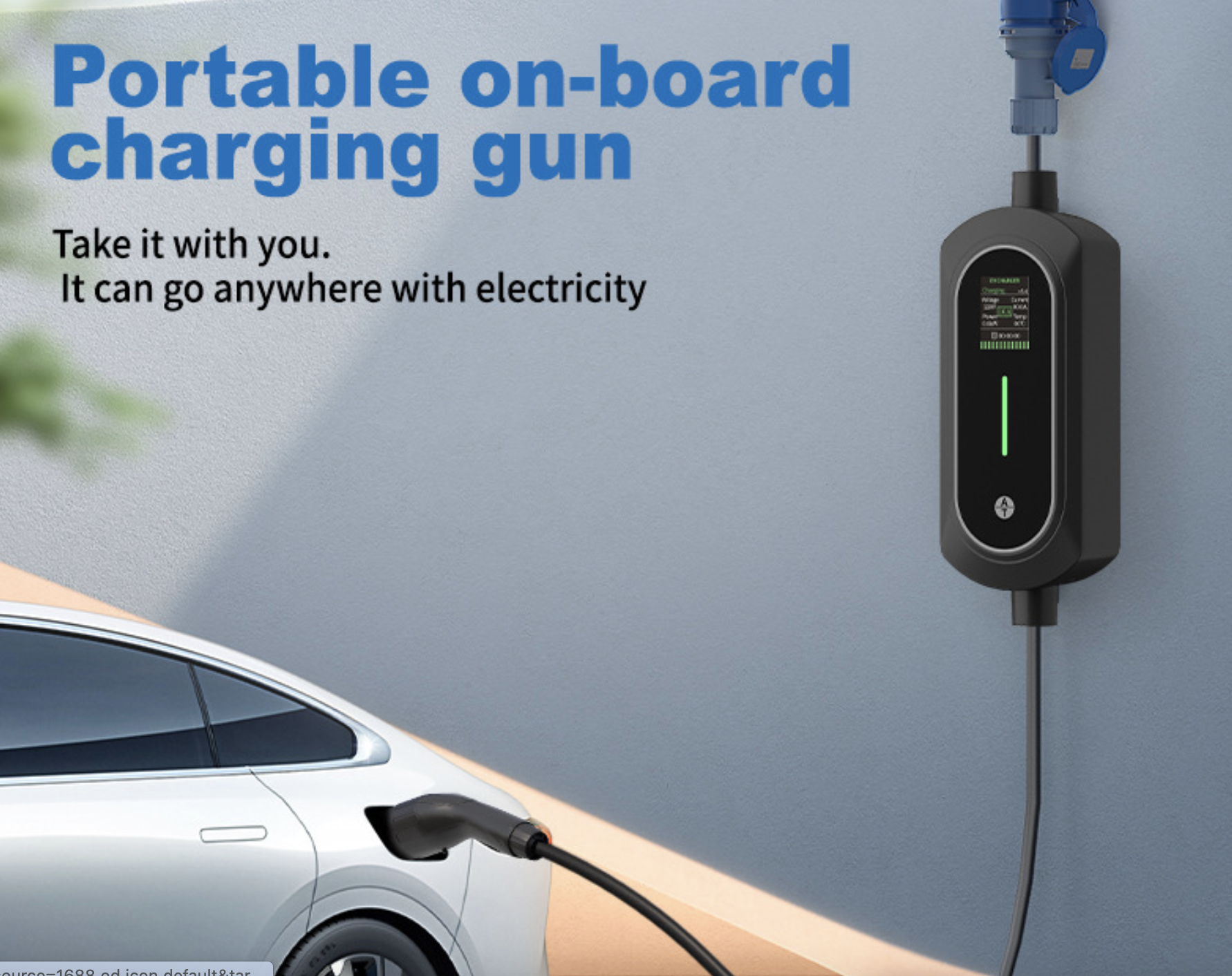
As the global transition toward sustainable mobility accelerates, the demand for reliable power transmission components has reached an all-time high. This comprehensive industry guide explores the strategic advantages of partnering with an EV Charging Connector Original Manufacturer to help international distributors and infrastructure developers secure high-performance equipment. When sourcing from an EV Charging Connector Original Manufacturer in 2026, it is essential to prioritize thermal management and communication protocol compatibility, as these charging guns serve as the critical interface between the power grid and the vehicle’s high-voltage battery system, ensuring every charging session is safe, fast, and efficient.
The Strategic Advantage of an EV Charging Connector Original Manufacturer
The electric vehicle (EV) supply chain is complex, and for many businesses, bypassing middlemen to work directly with an EV Charging Connector Original Manufacturer is the key to maintaining a competitive edge. These “source factories” (源头厂家) offer more than just lower unit prices; they provide the engineering depth required to navigate the rapidly evolving global standards.
Why is factory-direct sourcing necessary? Charging technology is not static. In 2026, we are seeing a massive shift toward High-Power Charging (HPC) and liquid-cooled cables. A true EV Charging Connector Original Manufacturer manages the entire lifecycle of the product—from the initial mold design and silver-plating of terminal pins to the final ultrasonic welding of the handle. This level of vertical integration ensures that the product meets the IATF 16949 quality system, which is far more rigorous than standard consumer electronics certifications.
Technical Breakdown: Navigating Global Charging Standards
When engaging in procurement with an EV Charging Connector Original Manufacturer, you must specify the regional standard required for your target market. A professional factory will typically offer three primary architectures:
1. Type 1 (SAE J1772) – North American Standard
Primarily used in the United States and Japan for AC Level 2 charging.
-
Key Feature: Includes a physical latch and a proximity pilot (PP) pin to prevent the vehicle from moving while plugged in.
-
Why? It is designed for single-phase power grids common in residential North American settings.
2. Type 2 (IEC 62196) – European & Chinese Standard
The dominant standard for Europe and many international markets, supporting both single-phase and three-phase AC charging.
-
Benefit: It allows for much higher power delivery (up to 22kW or 43kW in some AC configurations) compared to Type 1.
3. CCS (Combined Charging System) & NACS
For DC Fast Charging, the industry is converging on CCS1, CCS2, and the North American Charging Standard (NACS).
-
Detail: These connectors include additional high-current DC pins. A high-quality EV Charging Connector Original Manufacturer will use oxygen-free copper cables with TPE or TPU jackets to ensure flexibility even in sub-zero temperatures.
Step-by-Step Guide: How to Verify Quality in Charging Guns
To ensure your bulk procurement meets safety standards, follow these detailed inspection steps:
-
Inspect the Terminal Plating: Ask the factory about the thickness of the silver plating on the pins. Why? Silver has the highest electrical conductivity and resists oxidation. Thin or poor-quality plating leads to high contact resistance, which generates heat and can eventually melt the connector.
-
Verify the IP Rating: Automotive charging often happens outdoors. A professional gun must have an IP67 rating when mated. This ensures that internal electronics are protected from dust and heavy rain.
-
Cable Pull-Out Test: Ensure the factory performs a strain relief test. The connection between the cable and the plug handle must withstand significant mechanical force to prevent wires from loosening due to repeated daily use by consumers.
Comparison: Sourcing Channels for 2026
| Feature | EV Charging Connector Original Manufacturer | Trading Company | Local Retailer |
| Unit Cost | Lowest (Bulk) | Moderate | Highest |
| Customization | Full (Logo/Cable Length) | Very Limited | None |
| Lead Time | 4-8 Weeks | 2-4 Weeks | Immediate |
| Technical Support | Direct R&D Access | General Sales | Consumer Support |
FAQ: Common Questions in EV Infrastructure Sourcing
Q: Can I customize the cable length for my charging gun?
A: Yes. Most EV Charging Connector Original Manufacturer partners allow you to specify lengths from 5 meters to 10 meters. However, remember that longer cables result in higher voltage drops and require thicker copper cores to maintain efficiency.
Q: What is the difference between TPU and TPE cable jackets?
A: TPU (Thermoplastic Polyurethane) is superior for automotive use. It is more resistant to oil, abrasion, and UV light compared to TPE. It stays flexible in the winter and doesn’t get “sticky” in the summer heat.
Q: How does the “Temperature Control” feature work in a charging gun?
A: High-end connectors include a built-in thermistor (NTC) in the plug. If the temperature exceeds a safe limit (usually 80°C), the sensor sends a signal to the charging station to reduce current or stop the session, preventing fire hazards.
Summary for Global Procurement Success
Selecting a reliable EV Charging Connector Original Manufacturer is about more than just finding a supplier; it is about building a safe energy bridge. By prioritizing silver-plated terminals, TPU cabling, and built-in thermal sensors, you ensure your infrastructure is ready for the high-demand EV landscape of 2026. Whether you are providing home charging solutions or industrial fast-charging hubs, factory-direct sourcing ensures your brand stands for reliability and safety.
Keywords & Tags:
EV Charging Connector Original Manufacturer, EV Charging Gun Wholesale, Type 2 Charging Cable Factory, CCS2 Connector Sourcing, SAE J1772 Manufacturer, Electric Vehicle Charging Parts, High Power EV Charging, TPU EV Cable Supplier, IATF 16949 Charging Factory, EV Infrastructure Supply Chain 2026