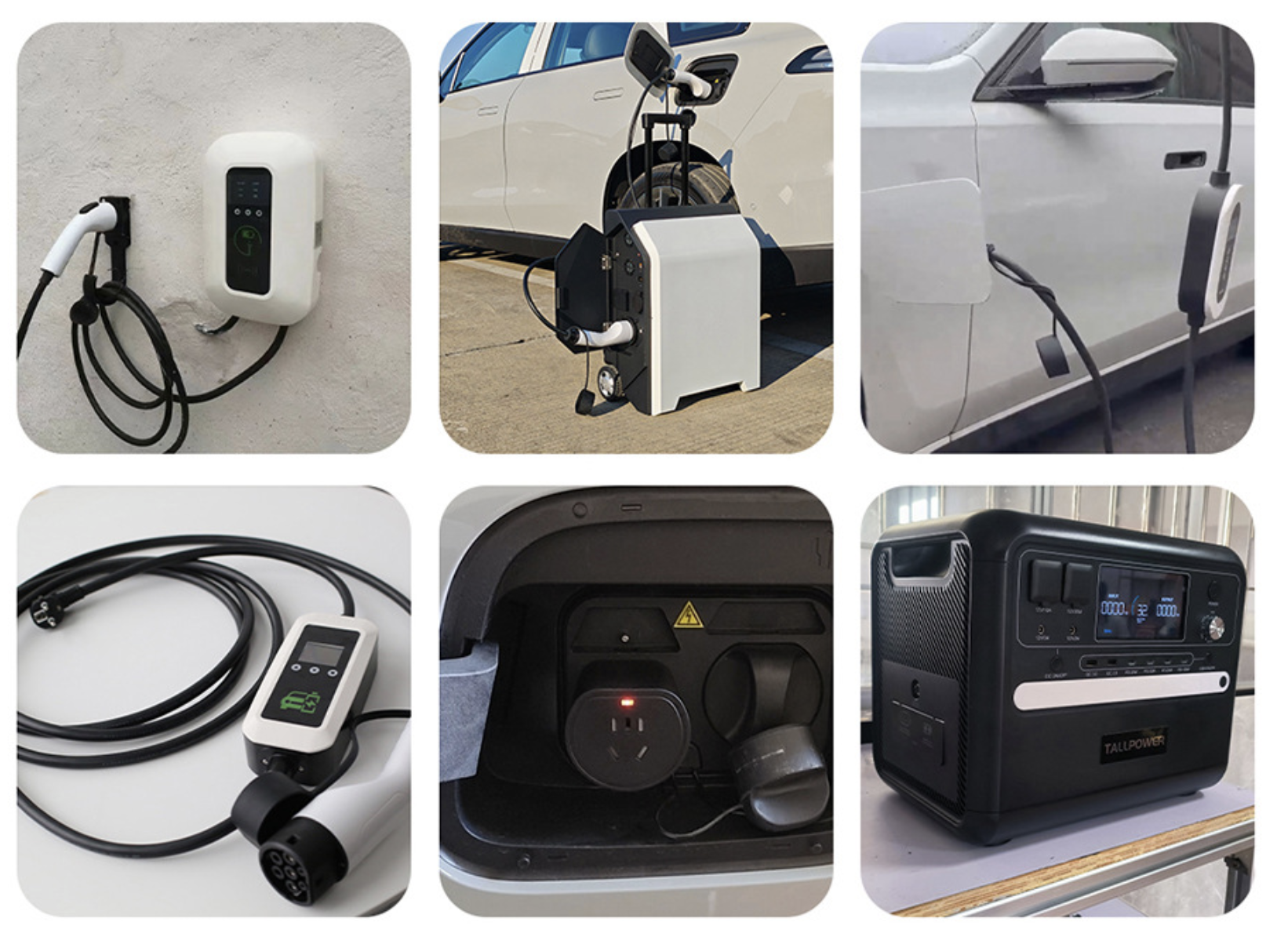
As the electric vehicle (EV) market enters a new era of mainstream adoption in 2026, the need for flexible and reliable power solutions has never been more critical for global drivers. This comprehensive guide highlights the strategic benefits of partnering with a Portable EV Charger Original Manufacturer to help international distributors and fleet operators secure high-quality mobile charging equipment. By sourcing directly from a Portable EV Charger Original Manufacturer, businesses can offer versatile “plug-and-play” solutions that provide peace of mind to EV owners, ensuring that whether at home, at work, or on a road trip, a safe and efficient power connection is always within reach.
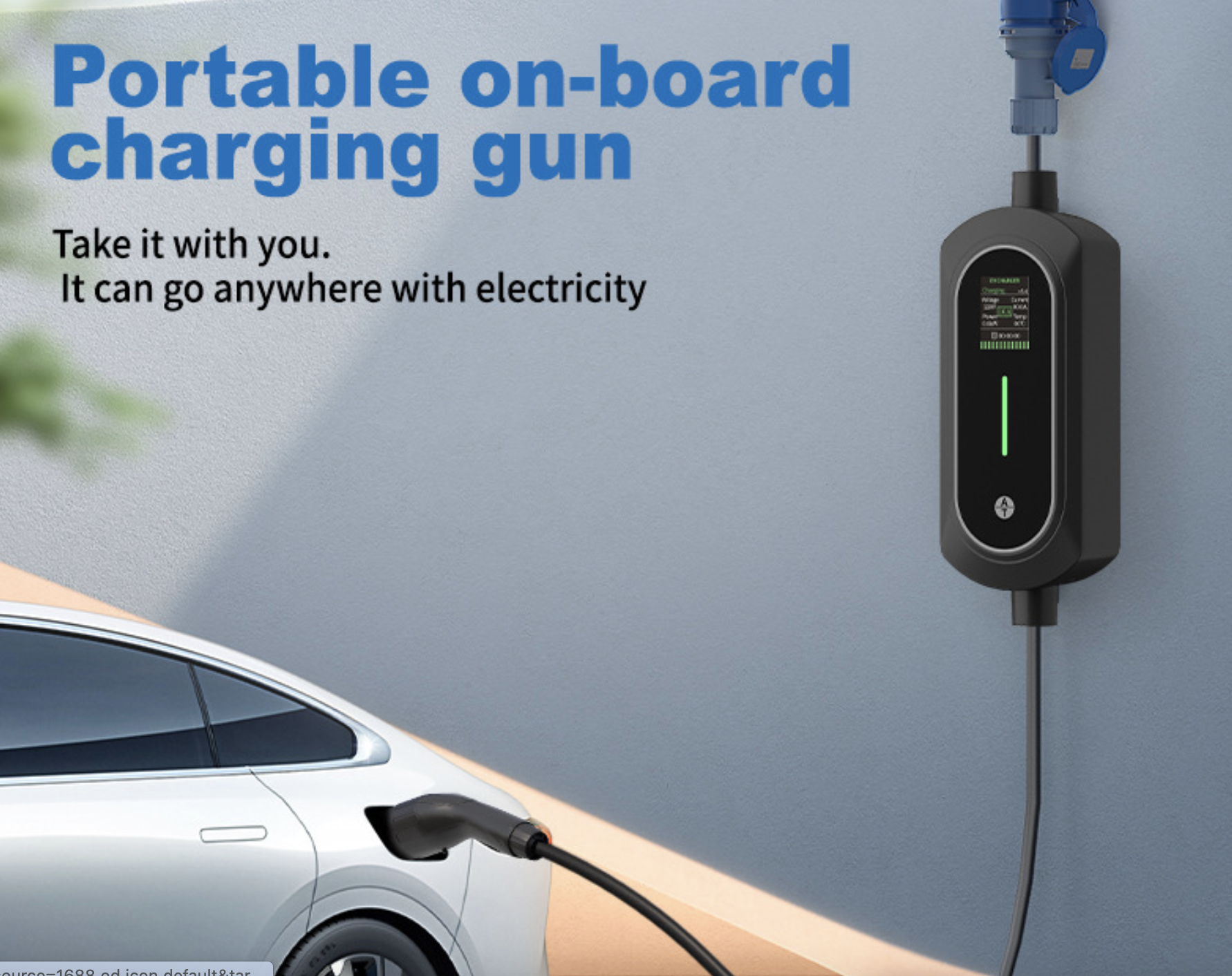
The Strategic Advantage of a Portable EV Charger Original Manufacturer
The rise of “Range Anxiety” has transformed the portable charger from an optional accessory into a fundamental safety tool for modern EV owners. Working with a Portable EV Charger Original Manufacturer (源头厂家) allows businesses to bypass middleman markups while gaining direct access to cutting-edge R&D and manufacturing processes.
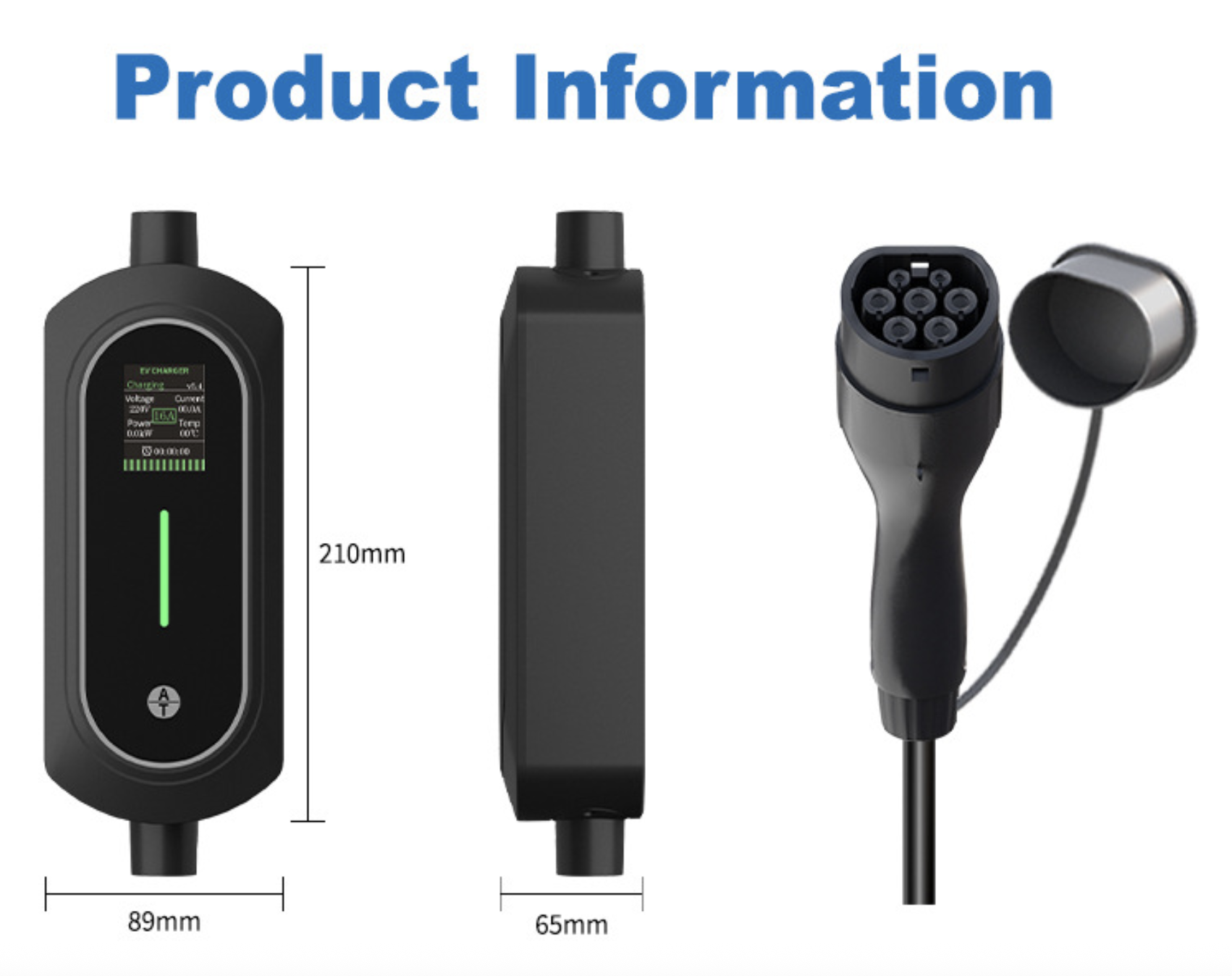
Why is factory-direct sourcing necessary? Portable chargers, often referred to as “Mode 2” charging cables, must bridge the gap between standard household sockets and high-voltage vehicle batteries. This requires sophisticated internal control boxes (ICCB) that manage safety protocols. A true Portable EV Charger Original Manufacturer oversees the entire production line, from the SMT (Surface Mount Technology) of the PCB boards to the final ultrasonic sealing of the waterproof housing, ensuring that the device meets the latest IATF 16949 and CE/TUV safety standards for 2026.
Technical Breakdown: Defining a High-Quality Portable Charger
When evaluating your procurement strategy with a Portable EV Charger Original Manufacturer, you should focus on several key technical pillars that define “Automotive Grade” quality:
1. Intelligent Current Adjustment (8A to 16A/32A)
Most modern portable chargers allow the user to toggle between different current settings.
-
The “Why” Factor: In many older residential buildings, the electrical wiring cannot handle a sustained 32A load. A high-quality manufacturer includes a “One-Touch” current switch, allowing the user to drop the amperage to 10A or 13A to prevent overheating the house’s electrical panel.
2. Advanced Thermal and Leakage Protection
The control box must be a fortress of safety.
-
Detail: Look for Type A + DC 6mA (equivalent to Type B) leakage protection. This is a critical 2026 requirement in Europe and North America to protect users from electric shock caused by residual DC currents. Furthermore, high-end manufacturers integrate NTC (Negative Temperature Coefficient) sensors in both the plug and the control box to shut down the session if temperatures exceed 80°C.
3. Durability for Harsh Environments
Since portable chargers are often used outdoors, the material choice for the cable jacket is vital.
-
Why? TPU (Thermoplastic Polyurethane) is the industry standard for 2026. It remains flexible in sub-zero winter temperatures and is resistant to grease, oil, and UV radiation, ensuring the cable doesn’t become brittle over years of use.
Step-by-Step Guide: How to Source and Test Bulk Portable Chargers
To ensure your Portable EV Charger Original Manufacturer partnership is successful, follow these professional verification steps:
-
Verify Plug Certification: Ensure the wall-side plug (Schuko, NEMA 14-50, or UK 3-Pin) is properly certified for the local market. Why? Using uncertified plugs can lead to fire hazards and legal liability for the distributor.
-
Request an IP67 Test Report: While many chargers claim to be waterproof, an IP67 rating means the control box can survive being submerged in 1 meter of water for 30 minutes. This is essential for users charging in heavy rain.
-
Inquire About Smart Connectivity: In 2026, “Smart” is the trend. Ask if the manufacturer can integrate a Bluetooth or Wi-Fi app. This allows users to schedule charging during “off-peak” hours when electricity is cheaper, adding significant value to your product line.
Comparison: Fixed Wallbox vs. Portable Charger
| Feature | Fixed Wallbox (Home Station) | Portable EV Charger (Mode 2) |
| Portability | None (Fixed to wall) | High (Fits in trunk) |
| Installation | Requires Professional Electrician | Plug-and-Play |
| Max Power | Up to 22kW (3-Phase) | Up to 7kW or 11kW |
| Best For | Primary Home Charging | Emergency / Travel / Multi-Location |
FAQ: Common Questions in Portable Charger Procurement
Q: Can I use a portable charger with a standard extension cord?
A: We strongly advise against this. Most extension cords are not rated for the continuous high-current draw of an EV. During your Portable EV Charger Original Manufacturer customization, you should offer various cable lengths (e.g., 5m, 10m, or 15m) to meet customer needs without the need for dangerous extensions.
Q: Is 3.5kW or 7kW better for wholesale?
A: This depends on the market. 3.5kW (16A) is compatible with standard household outlets globally. 7kW (32A) requires a specialized industrial outlet (like a CEE or NEMA 14-50). Offering a “Dual-Plug” adapter kit through your manufacturer is a great way to serve both needs.
Q: Does the charger work with all car brands?
A: As long as the connector (Type 1 or Type 2) matches the vehicle’s inlet, it will work. The charger communicates via the “Control Pilot” signal, a universal language between the charger and the car’s On-Board Charger (OBC).
Summary for 2026 Procurement Success
Building a successful business around electric vehicle accessories requires a focus on safety and flexibility. By partnering with a reputable Portable EV Charger Original Manufacturer, you gain the ability to provide your customers with high-performance, weather-resistant, and smart-connected charging tools. Whether you are targeting the European market with Type 2 Schuko chargers or the North American market with NACS-compatible portables, focusing on factory-level quality control is the most effective way to build long-term brand trust.
Keywords & Tags:
Portable EV Charger Original Manufacturer, Mobile EV Charging Wholesale, Mode 2 EV Cable Factory, Type 2 Portable Charger Sourcing, Schuko to Type 2 EVSE, 7kW Portable EV Charger, NEMA 14-50 EV Charger Manufacturer, IATF 16949 EV Charging, Smart EV Charger Wholesale, Electric Vehicle Travel Charger 2026