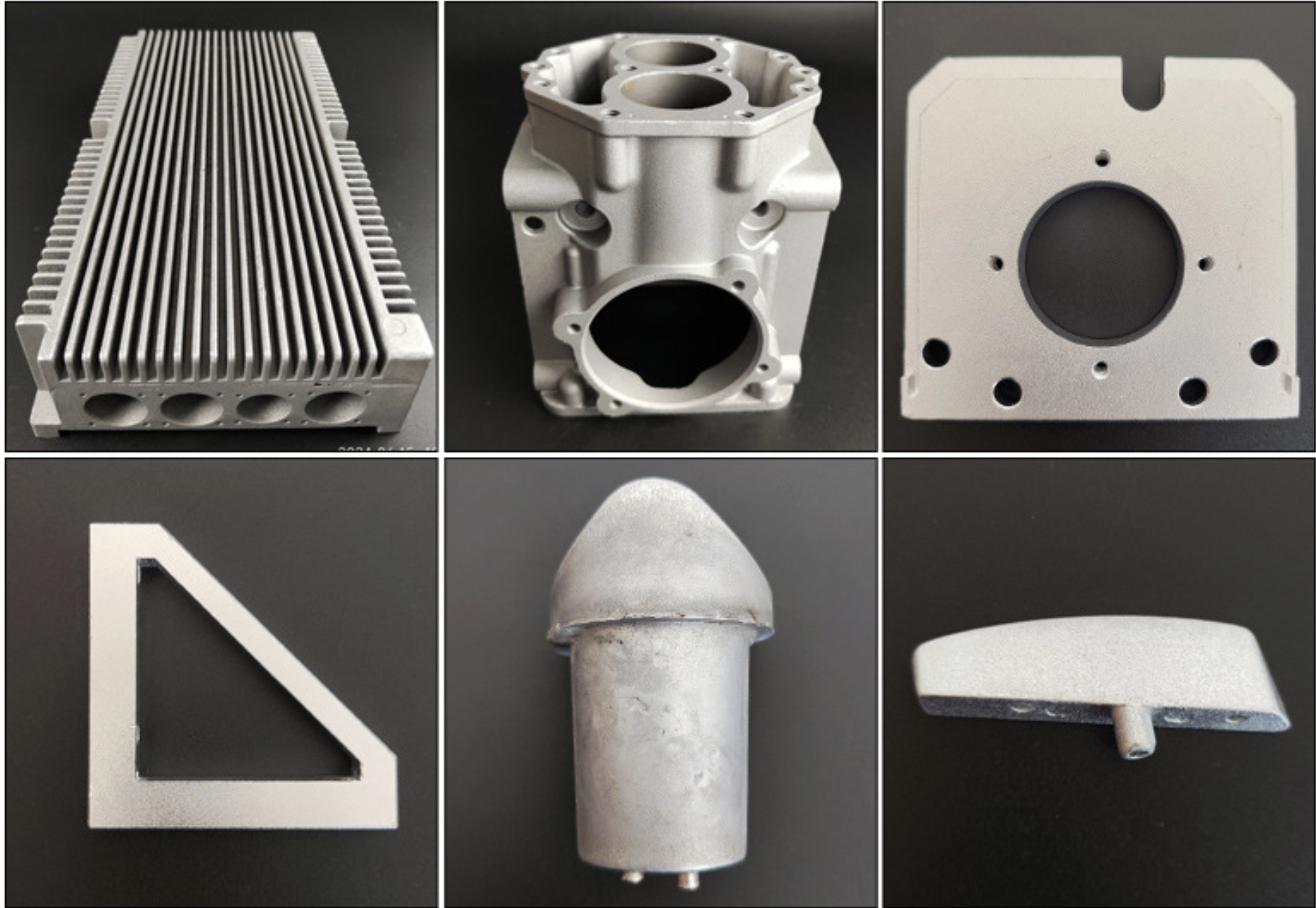
Motor Parts Sourcing from China | Auto Components B2B Procurement Service
Efficient motor parts sourcing from China has become a strategic imperative for automotive aftermarket businesses seeking to maintain competitiveness in an increasingly globalized market. Our specialized auto components B2B procurement service bridges the gap between international buyer requirements and Chinese manufacturing capabilities, delivering a seamless, end-to-end solution that handles everything from supplier identification and quality assurance through logistics coordination and documentation. Whether you are a distributor in Latin America expanding your product catalog, a fleet operator in the Middle East requiring consistent bulk supply of engine filters, or an e-commerce entrepreneur in Europe building a niche performance parts brand, professional motor parts sourcing from China through an experienced auto components B2B procurement service can transform your procurement economics, reduce operational overhead by 40–60%, and unlock access to 50,000+ SKUs across every vehicle subsystem category.

The Strategic Importance of Motor Parts Sourcing from China
Before diving into the mechanics of auto components B2B procurement service, it is essential to understand why motor parts sourcing from China has become central to global automotive aftermarket strategy for businesses of all sizes.
Market Dynamics Favoring Chinese Sourcing
The automotive aftermarket’s center of gravity has been shifting steadily toward Asia over the past two decades. Several converging forces drive this trend:
Manufacturing Scale Advantage: China produces approximately 31% of the world’s auto components by value—more than any other single country. This concentration creates deep supplier networks, specialized industrial clusters (brake manufacturing hubs in Zhejiang province, electronics clusters in the Pearl River Delta, engine component centers in Shandong), and infrastructure efficiencies that reduce per-unit costs meaningfully.
Technology Parity Achievement: The quality gap that once justified premium pricing for Western-sourced parts has largely closed in most categories. Leading Chinese manufacturers now employ the same CNC machining centers, robotic assembly cells, coordinate measuring machines, and quality management systems (IATF 16949 certified) found in German, Japanese, and American factories. For motor parts sourcing from China, this means accessing OE-equivalent quality at substantially lower prices—a proposition that was unrealistic just ten years ago.
Supply Chain Diversification: Geopolitical disruptions, pandemic-induced shutdowns, and regional instability events have taught procurement professionals that over-concentration on single-region supply chains creates unacceptable vulnerability. Adding Chinese manufacturing sources to a diversified procurement portfolio provides resilience against region-specific disruptions while maintaining cost competitiveness.
Economic Impact Analysis
Let us quantify what effective motor parts sourcing from China means for typical B2B buyers:
| Business Type | Typical Annual Spend | Estimated Savings via China Sourcing | Margin Improvement Potential |
|---|---|---|---|
| Small Repair Shop (Direct) | $50,000–$150,000 | 25–35% | +8–12 gross margin points |
| Regional Distributor | $500K–$3M | 30–42% | +10–15 gross margin points |
| National Wholesaler / E-commerce | $5M–$50M+ | 35–50% | +12–20 gross margin points |
| Fleet Operator (Parts) | $200K–$2M | 28–38% | Direct cost reduction |
These savings are not theoretical—they reflect actual results achieved by clients utilizing our auto components B2B procurement service across diverse markets and business models.
How Our Auto Components B2B Procurement Service Works
Our motor parts sourcing from China service operates as an integrated procurement function acting as an extension of your own team. We handle the complexity of cross-border sourcing so you can focus on sales, marketing, customer service, and business development.
Service Architecture Overview
┌─────────────────────────────────────────────────┐
│              YOUR BUSINESS                       │
│   (Requirements → Orders → Inventory → Sales)    │
└──────────────────────┬──────────────────────────┘
                       │ Requirements & POs
                       ▼
┌─────────────────────────────────────────────────┐
│         OUR B2B PROCUREMENT SERVICE              │
│                                                  │
│  ┌──────────┐ ┌──────────┐ ┌──────────────────┐ │
│  │ Supplier │ │ Quality  │ │  Logistics &     │ │
│  │ Search   │ │Assurance │ │ Documentation    │ │
│  └────┬─────┘ └────┬─────┘ └───────┬──────────┘ │
│       │            │              │             │
│       ▼            ▼              ▼             │
│  ┌──────────────────────────────────────┐      │
│  │    Consolidation & Coordination      │      │
│  └──────────────────┬───────────────────┘      │
└─────────────────────┼─────────────────────────┘
                      │ Shipment Ready
                      ▼
┌─────────────────────────────────────────────────┐
│        CHINESE MANUFACTURING NETWORK             │
│  (47 Vetted Factories × All Part Categories)     │
└─────────────────────────────────────────────────┘
                      │ Finished Goods
                      ▼
┌─────────────────────────────────────────────────┐
│           GLOBAL LOGISTICS NETWORK                │
│  (Sea/Air/Rail to 120+ Countries Worldwide)       │
└─────────────────────────────────────────────────┘
                      │ Delivered
                      ▼
┌─────────────────────────────────────────────────┐
│              YOUR WAREHOUSE                       │
└─────────────────────────────────────────────────┘
Core Service Modules
Module 1: Supplier Discovery & Qualification
Finding the right factory among China’s 150,000+ registered auto parts manufacturers is where our auto components B2B procurement service begins adding value. Our systematic process includes:
Requirement Analysis: We work with you to document precise specifications for each target product category including vehicle applications, dimensional tolerances, material grades, surface treatments, certification requirements, packaging preferences, and volume projections. Thorough requirement definition prevents costly miscommunications downstream.
Multi-Channel Supplier Search: We tap into our existing network of 47 qualified factory partners plus actively search our database of 3,200+ pre-screened manufacturers, attend major trade shows (Automechanika Shanghai, Canton Fair), leverage industry association connections, and conduct targeted online research to identify candidates matching your specific needs.
Comprehensive Qualification: Every candidate undergoes rigorous vetting before entering our active supplier pool:
- Legal entity verification (business license, export authorization)
- Financial stability assessment (credit reports, banking references)
- Certification audit (IATF 16949, ISO 9001, ISO 14001, industry-specific certificates)
- Capability assessment (production capacity, equipment inventory, QC facilities)
- On-site audit or third-party inspection report review
- Sample evaluation (minimum 10 SKUs per candidate across relevant categories)
- Reference verification (minimum 3 current international client contacts)
Why this depth matters: A superficial qualification process might approve a factory that looks good on paper but fails under production pressure. Our thorough approach eliminates 70% of initial candidates before they ever produce goods for our clients, ensuring that only genuinely capable manufacturers enter your supply chain.
Module 2: Quality Assurance & Inspection
Quality is the cornerstone of credible motor parts sourcing from China. Our QA framework operates continuously throughout the procurement cycle:
Pre-Production Quality Planning: Before manufacturing begins, we establish quality acceptance criteria with the factory based on your specifications, applicable international standards (ISO, DIN, JIS, SAE, ASTM), and destination-market regulatory requirements (ECE R90, FMVSS, CAPA). Critical characteristics are identified, measurement methods agreed upon, and sampling plans defined using AQL (Acceptable Quality Limit) standards per ISO 2859-1.
In-Process Monitoring: For orders exceeding defined value thresholds ($10,000+), we deploy local inspectors or coordinate with factory QA teams to monitor critical production stages. This catches process deviations early when correction is still inexpensive—rather than discovering problems after thousands of units have been produced.
Incoming QC at Consolidation Warehouse: When finished goods arrive at our consolidation facility near Shanghai port, we perform:
- Quantity reconciliation against packing lists
- Visual inspection per AQL Level II, General Inspection Level (G-II)
- Dimensional spot-checks on critical features using calibrated equipment
- Functional testing on random samples (assembly trials, electrical continuity, pressure tests depending on part type)
- Packaging integrity verification
- Documentation completeness check (material certs, test reports, inspection records)
Pre-Shipment Inspection (PSI): Before container loading, we conduct formal PSI using statistically valid sampling. If results fall outside acceptable limits, we hold shipment, notify you with photographic evidence, and work with the factory to rectify issues before release. Only conforming motor parts from China reach your warehouse.
Statistical Process Control (SPC) Review: For ongoing production relationships, we request and review SPC data from factories to verify process stability and capability (Cpk ≥ 1.33 minimum target for critical dimensions).
Module 3: Order Management & Production Tracking
Our auto components B2B procurement service manages the entire order lifecycle on your behalf:
- Purchase Order Processing: Confirm specifications, quantities, pricing, lead times, and terms; issue formal acknowledgment; enter order into tracking system
- Production Scheduling: Coordinate with factories based on their capacity, material availability, and your delivery requirements; establish milestone checkpoints
- Progress Monitoring: Weekly status updates on all active orders; proactive alerts if delays or issues emerge
- Change Order Handling: Manage quantity adjustments, specification modifications, or delivery date changes professionally
- Expedite Services: When urgent situations arise, we leverage factory relationships to accelerate production or arrange air freight alternatives
Module 4: Logistics & Shipping Coordination
Getting motor parts from China to your warehouse requires expertise in international freight forwarding, customs documentation, and Incoterms management:
Mode Selection: We recommend optimal shipping mode (FCL sea, LCL sea, air freight, rail, express courier) based on order value, weight/volume, urgency, and destination—always presenting trade-off analysis so you can make informed decisions.
Freight Booking: We maintain contracted rates with major ocean carriers (COSCO, Maersk, MSC, CMA CGM, Evergreen) and airlines (Cathay Pacific, Emirates, Lufthansa Cargo, Air France KLM), securing competitive rates and reliable space allocation even during peak seasons.
Documentation Preparation: Complete documentation packages tailored to each destination country’s requirements:
- Commercial invoice (detailed itemization with HS codes)
- Packing list (carton-by-carton breakdown with weights/dimensions)
- Bill of lading (ocean) or airway bill (air)
- Certificate of origin (general, Form A for preferential tariff countries, CUM where required)
- Product-specific certifications (E-mark test reports, REACH declarations, DOT compliance letters, etc.)
- Insurance certificates
- Any special documentation (fumigation certificates for wooden packing, phytosanitary certificates, etc.)
Tracking & Communication: Real-time shipment visibility through our online portal with milestone notifications (production complete, goods received at warehouse, container loaded, vessel departed, arrived at destination port, cleared customs, out for delivery).
Step-by-Step Guide: Starting Your Motor Parts Sourcing from China Journey
For businesses new to auto components B2B procurement service, here is a practical step-by-step guide to launching a successful program:
Step 1: Assess Your Current Procurement Situation
Before engaging any sourcing partner, honestly evaluate your current state:
- What product categories do you purchase? In what volumes?
- Who are your current suppliers? What are your pain points (price, quality, availability, service)?
- What is your total annual spend? How is it distributed across categories?
- What are your quality standards and customer expectations?
- What regulatory/certification requirements apply in your market?
- What is your budget for pilot programs and transition costs?
This self-assessment clarifies priorities and sets realistic expectations before you begin conversations with potential motor parts sourcing from China providers.
Step 2: Define Your Target Outcomes
Establish clear, measurable objectives for your sourcing initiative:
| Objective Type | Example Targets | Measurement Method |
|---|---|---|
| Cost Reduction | Reduce landed cost by 25% within 12 months | Compare unit costs pre/post-transition |
| SKU Expansion | Add 300 new SKUs within 6 months | Track active catalog count monthly |
| Quality Maintenance | Maintain defect rate ≤1.5% | Monitor incoming inspection rejection rate |
| Supply Reliability | Achieve 95% on-time-in-full (OTIF) delivery | Log delivery performance vs. commitment |
| Working Capital Improvement | Improve inventory turns from 4x to 6x annually | Calculate inventory turnover ratio quarterly |
Specific targets enable objective evaluation of whether your auto components B2B procurement service partnership delivers expected value.
Step 3: Select and Engage a Sourcing Partner
Evaluate potential partners against these criteria:
- Years in business and track record specifically in auto parts sourcing
- Size and capability of their qualified supplier network
- Depth of their quality assurance processes
- Breadth of logistics capabilities and shipping experience to your destination(s)
- Transparency (willingness to disclose factory names, show facilities, share audit reports)
- Communication quality (responsiveness, language proficiency, proactivity)
- Client references from buyers similar to your profile
- Pricing structure (fee-based? margin-based? hybrid?) and competitiveness
Request proposals from 2–3 candidates, compare thoroughly, and select the partner whose capabilities best match your needs—not merely the one quoting the lowest fee.
Step 4: Launch Pilot Program
Resist the temptation to convert your entire procurement overnight. Start with a carefully scoped pilot:
Pilot Design Best Practices:
- Choose 3–5 product categories representing different complexity levels (e.g., one simple consumable like filters, one medium-complexity mechanical part like brake rotors, one more complex part like alternators or control arms)
- Define clear success criteria for the pilot (defect rate threshold, cost target, lead time benchmark)
- Set a realistic timeline (allow 3–4 months from first contact through receipt and evaluation of pilot shipments)
- Budget adequately for samples, testing, and potential learning-curve inefficiencies
- Assign internal ownership—someone responsible for managing the pilot and reporting results
Step 5: Evaluate, Optimize, and Scale
Upon completing the pilot phase:
- Objectively assess results against predefined success criteria
- Identify what worked well and what needs improvement
- Discuss findings openly with your sourcing partner and collaboratively develop optimization plans
- Gradually expand scope to additional categories, increase order frequencies, and deepen the relationship
- Continuously measure and refine based on evolving data
Product Categories Covered by Our Motor Parts Sourcing from China Service
Our auto components B2B procurement service spans virtually every category of motor vehicle replacement parts:
Category Matrix
| Category | Available SKUs | MOQ Range | Price Range (USD) | Lead Time |
|---|---|---|---|---|
| Engine Internal Components | 3,800+ | 200–2,000 pcs | $5–$450 | 15–30 days |
| Braking System | 5,200+ | 100–1,000 pcs | $3–$180 | 10–20 days |
| Suspension & Steering | 4,100+ | 200–1,500 pcs | $4–$220 | 12–25 days |
| Filters (Air/Oil/Fuel/Cabin) | 6,500+ | 100–500 pcs | $0.80–$25 | 5–12 days |
| Cooling System | 2,400+ | 100–800 pcs | $5–$150 | 10–18 days |
| Electrical & Electronic | 7,300+ | 100–1,000 pcs | $3–$280 | 12–22 days |
| Body & Exterior | 8,600+ | 50–500 pcs | $8–$650 | 12–28 days |
| Transmission & Drivetrain | 2,100+ | 200–2,000 pcs | $15–$550 | 18–35 days |
| Fuel System | 1,900+ | 100–1,000 pcs | $5–$190 | 12–22 days |
| Gaskets & Seals | 4,800+ | 200–1,000 pcs | $1–$45 | 8–15 days |
| Fasteners & Hardware | 3,200+ | 500–5,000 pcs | $0.05–$8 | 7–14 days |
| Belts, Hoses & Rubber Parts | 2,800+ | 200–1,000 pcs | $2–$65 | 10–18 days |
| Lighting (Headlights, Tail Lights, Bulbs) | 4,500+ | 50–500 pcs | $8–$380 | 12–25 days |
| Sensors (O2, MAF, TPS, ABS, etc.) | 3,600+ | 100–500 pcs | $5–$120 | 10–20 days |
| Performance & Tuning Parts | 1,800+ | 50–500 pcs | $25–$1,200 | 20–45 days |
| Heavy-Duty/Commercial Vehicle | 2,500+ | 50–500 pcs | $10–$850 | 15–30 days |
| EV/Electric Vehicle Components | 1,200+ | 100–1,000 pcs | $20–$980 | 20–40 days |
MOQ = Minimum Order Quantity; prices are indicative ranges per unit and vary significantly by specific part number and volume.
Case Study: Transforming Procurement Through Professional Motor Parts Sourcing from Canada
CanadianAutoSupply Ltd., a mid-sized distributor serving independent repair shops across Ontario and Quebec, faced mounting challenges by 2021: stagnant margins around 18%, limited catalog coverage forcing customers to source elsewhere for uncommon applications, frequent stockouts from domestic suppliers who prioritized larger accounts, and an aging product mix that didn’t reflect newer vehicle platforms.
Engagement: CanadianAutoSupply engaged our auto components B2B procurement service in Q2 2021, starting with a comprehensive needs assessment followed by a carefully scoped pilot program covering 120 SKUs across four categories: brakes, filters, sensors, and cooling system parts.
Pilot Phase Results (Months 1–6):
- Total pilot spend: CAD 38,000 (~USD 29,000)
- SKUs evaluated: 120
- Defect rate after incoming inspection: 0.6% (exceptional)
- Customer complaints on pilot products: zero
- Average landed cost reduction versus prior sourcing: 34%
- Team feedback: “Easier than expected; communication has been excellent”
Scaling Phase (Months 7–24): Encouraged by pilot success, CanadianAutoSupply progressively expanded engagement:
- Month 9: Added suspension and body parts categories (SKU count: 320)
- Month 12: Added engine internal components and transmission parts (SKU count: 520)
- Month 18: Launched private-label brand “CAS Pro” using supplied parts with custom packaging (SKU count: 780)
- Month 24: Added heavy-duty truck parts and EV components (SKU count: 960)
Financial Impact After 24 Months:
| Metric | Year Before Engagement | Year 2 of Partnership | Change |
|---|---|---|---|
| Annual Revenue | CAD 6.2M | CAD 14.8M | +139% |
| Gross Margin | 18.3% | 31.7% | +13.4 points |
| Active SKUs | 280 | 960 | +243% |
| Customer Count (Active Shops) | 185 | 420 | +127% |
| Monthly Stockout Rate | 14% | 3% | -11 pts |
| Employees | 12 | 26 | +117% |
| Procurement FTE Equivalent Saved | N/A | ~1.5 FTE | Significant efficiency gain |
President Sarah McKenzie noted: “We initially viewed motor parts sourcing from China as a tactical move to improve margins. It became a strategic transformation. Our auto components B2B procurement service partner doesn’t just find cheaper parts—they’ve helped us build an entirely better business model.”
Frequently Asked Questions About Motor Parts Sourcing from China
Q1: What types of businesses benefit most from an auto components B2B procurement service?
A: Virtually any B2B buyer of automotive replacement parts can benefit, but the greatest impact typically accrues to: aftermarket distributors and wholesalers seeking margin improvement and catalog expansion; multi-location repair shop chains wanting centralized, consistent sourcing; e-commerce sellers needing broad SKU selection with competitive unit economics; fleet operators requiring reliable bulk supply of maintenance parts; and trading companies in developing markets looking for quality products at import-friendly price points. Businesses purchasing less than $20,000 annually may find minimum engagement thresholds challenging; those spending $100,000+ annually typically see the strongest ROI.
Q2: How does the auto components B2B procurement service charge for its services?
A: Fee structures vary by provider. Our model combines a modest service fee (typically 3–8% of order value depending on volume tier and service scope) with transparent factory-direct pricing—we disclose the factory ex-works price separately from our service fee so you see full cost breakdowns. Some providers operate on pure margin markup (they buy from factory and resell to you at a higher price without disclosing the factory cost); others charge flat monthly retainers plus pass-through pricing. Understand which model your prospective partner uses, compare total landed costs (not just service fees), and ensure transparency aligns with your preferences.
Q3: What is the minimum order quantity (MOQ) when doing motor parts sourcing from China?
A: MOQs vary dramatically by product category, part complexity, and whether you’re working directly with factories or through a trading company/exporter. Through our auto components B2B procurement service, effective MOQs range from 50 pieces for simple consumables (filters, bulbs, fasteners) up to 2,000 pieces for complex machined or assembled items (ECUs, precision engine internals, large body panels). We often help clients achieve lower apparent MOQs by consolidating demand across multiple clients for popular SKUs, or by negotiating trial-MQ arrangements with factories in exchange for volume commitments over time. Be prepared that some specialized items simply require larger batch sizes due to manufacturing setup economics.
Q4: How long does the entire sourcing process take from initial inquiry to receiving the first shipment?
A: Realistic timelines for new buyer engagements: Initial consultation and requirement gathering (1–2 weeks); supplier identification, qualification, and sample evaluation (3–8 weeks depending on number of categories); quotation negotiation and commercial agreement finalization (1–2 weeks); sample order placement and evaluation (2–4 weeks including shipping); pilot production order (2–4 weeks manufacturing + transit time to your location). Total first-shipment timeline: 10–20 weeks from initial conversation to door delivery. Subsequent orders with established suppliers typically require only 4–8 weeks from PO to delivery. Patience during the initial phase pays dividends long-term.
Q5: Do I need to travel to China for motor parts sourcing, or can the entire process be handled remotely?
A: While in-person factory visits add value—especially for significant partnerships—in-person travel is absolutely not mandatory. The vast majority of successful motor parts sourcing from China programs are managed entirely remotely using digital tools: video conferencing for meetings, high-resolution photos and videos for facility tours, detailed email/WeChat communications for daily coordination, third-party inspection agencies for on-the-ground quality verification, and sophisticated online portals for order tracking and document management. Many of our most successful client relationships have never involved an in-person visit. That said, we always welcome clients who wish to visit and will arrange comprehensive factory tours, face-to-face meetings with key suppliers, and exposure to major auto parts exhibitions such as Automechanika Shanghai.
Q6: How do you handle intellectual property protection during motor parts sourcing?
A: IP protection is handled through multiple layers: First, we execute Non-Disclosure, Non-Use, Non-Circumvention (NNN) agreements with all factories that are enforceable in Chinese courts—a critical distinction since standard NDAs often lack teeth in China’s legal system. Second, we recommend clients register their own trademarks and designs with China’s National Intellectual Property Administration (CNIPA) before sharing proprietary information. Third, we work exclusively with established manufacturers whose reputation and long-term business interests depend on respecting IP boundaries—factories that produce counterfeits or leak client designs quickly develop reputations that exclude them from serious supply chain relationships. Fourth, we limit distribution of technical drawings and specifications to personnel with demonstrated need-to-know within each factory. Finally, we carry professional liability insurance that provides additional recourse in the unlikely event of IP breach.
Conclusion
Professional motor parts sourcing from China is no longer a fringe tactic reserved for adventurous bargain hunters—it has matured into a mainstream strategic capability accessible to automotive aftermarket businesses worldwide. An experienced auto components B2B procurement service transforms what would otherwise be a complex, risky, time-consuming endeavor into a streamlined, manageable process that consistently delivers quality products at compelling economics. The manufacturers exist. The infrastructure functions. The expertise is available. What remains is for forward-thinking business leaders to take the first step—defining their requirements, selecting a capable partner, launching a thoughtful pilot, and progressively building a sourcing operation that strengthens their competitive position for years to come. The opportunity is substantial, the path is proven, and the time to act is now.
Tags: motor parts sourcing from China, auto components B2B procurement service, China auto parts sourcing, automotive procurement services, car parts B2B sourcing, China motor parts buying agent, auto components procurement China, car parts sourcing service, Chinese auto parts B2B, automotive sourcing solutions