Automotive Grade Sensor Modules Wholesale | Advanced ADAS and Infotainment Supply Solutions
The proliferation of Advanced Driver‑Assistance Systems (ADAS) and sophisticated infotainment platforms has made Automotive Grade Sensor Modules one of the fastest‑growing segments in automotive electronics. For distributors, integrators, and aftermarket service providers, securing a reliable wholesale supply of these high‑technology components is both a significant opportunity and a complex challenge. This article provides a detailed examination of automotive sensor technologies, their role in ADAS and infotainment systems, and a practical framework for building a robust wholesale supply chain.

The Expanding Role of Automotive Sensors
Modern vehicles can contain over 100 sensors of various types, each serving a critical function in vehicle safety, comfort, and connectivity. Automotive grade sensor modules must meet AEC‑Q100 (for ICs) or AEC‑Q103 (for MEMS sensors) qualification standards, ensuring reliability under extreme temperature, vibration, and EMI conditions. Key sensor categories include:
ADAS & Autonomous Driving Sensors
- Radar Modules (24GHz, 77GHz, 79GHz) – Long‑range radar (LRR) for adaptive cruise control and automatic emergency braking; short‑range radar (SRR) for blind‑spot detection and parking assistance.
- Camera Modules – Front‑facing mono/stereo cameras for lane‑keep assist, traffic sign recognition, and object detection; surround‑view cameras for parking assistance; driver‑monitoring cameras for drowsiness detection.
- LiDAR (Light Detection and Ranging) – Mechanical, solid‑state, and flash LiDAR for high‑resolution 3D mapping essential for Level 3+ autonomy.
- Ultrasonic Sensors – Short‑range proximity sensing for parking and low‑speed maneuvering.
Body & Powertrain Sensors
- Inertial Measurement Units (IMU) – Accelerometers and gyroscopes for electronic stability control (ESC) and rollover detection.
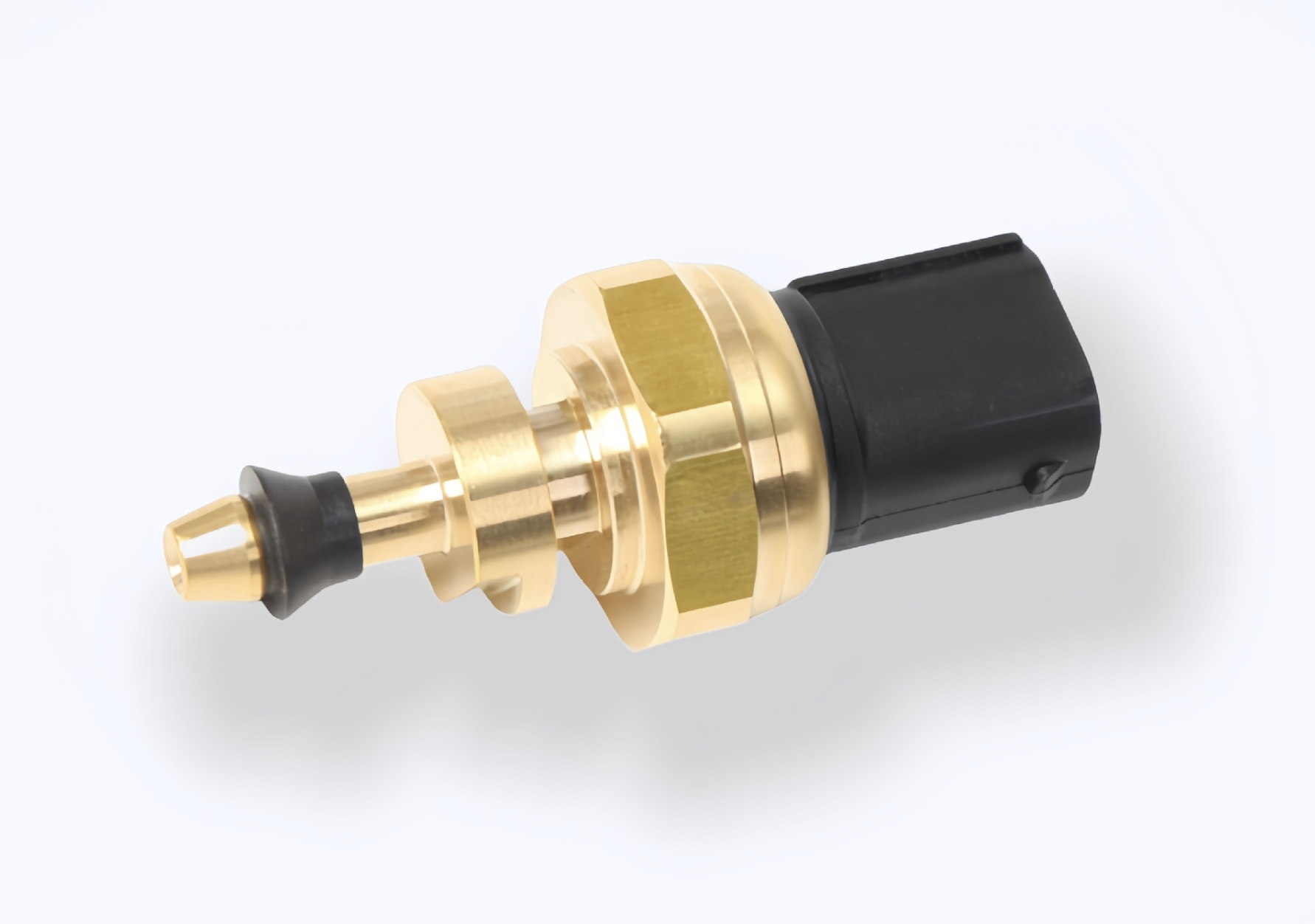
- Pressure Sensors – MAP (manifold absolute pressure), fuel pressure, tire pressure monitoring system (TPMS), and brake pressure.
- Temperature Sensors – NTC thermistors and RTDs for engine coolant, exhaust gas, battery pack, and cabin temperature monitoring.
- Position/Speed Sensors – Crankshaft/camshaft position, wheel speed (ABS), throttle position, and steering angle sensors.
Infotainment & Cabin Sensors
- Ambient Light & Proximity Sensors – Automatic headlight dimming and display brightness adjustment.
- Microphone Arrays – Voice recognition for natural language commands, in‑cabin communication, and active noise cancellation.
- Occupancy & Weight Sensors – Airbag deployment optimization, seatbelt reminder logic, and HVAC zone control.
- Gesture & Touch Sensors – HMI interaction for center console and steering‑wheel controls.
Step‑by‑Step Guide to Wholesale Sourcing of Automotive Sensor Modules
Step 1: Categorize Your Target Market’s Sensor Requirements
Different market segments demand different sensor profiles:
| Segment | Primary Sensor Needs | Volume Characteristic | Quality Priority |
|---|---|---|---|
| OEM / Tier‑1 | Full ADAS suite (radar + camera + LiDAR + ultrasonic) | High volume (millions/year) | ASIL‑B/D, ISO 26262 compliant |
| Aftermarket Retrofit | Parking sensors, dash cams, blind‑spot mirrors | Medium volume | Consumer‑grade to AEC‑Q103 |
| Fleet Management | GPS, IMU, OBD‑II dongle sensors | Medium‑High | Industrial/AEC‑Q |
| Classic Car Restoration | Basic replacement sensors (crank position, MAP, coolant temp) | Low volume | Functional equivalence |
Why this categorization matters: Wholesale strategy differs significantly across segments—OEM requires deep technical integration; aftermarket retrofit needs ease of installation and consumer‑friendly pricing.
Step 2: Identify Suppliers with Relevant Sensor Expertise
Evaluate potential suppliers based on:
- AEC‑Q100/Q103 Qualification: Mandatory for any sensor used in safety‑critical applications. Request full test reports.
- Sensor‑Specific Certifications: Radar modules may require FCC/CE/IC certification; camera modules may need UN/ECE R46 compliance.
- Calibration Support: Does the supplier provide calibration data, target boards, or alignment tools? Many ADAS sensors require post‑installation calibration.
- Software/Firmware Capabilities: Can they provide sensor drivers, SDKs, or integration support for common platforms (AUTOSAR Adaptive, QNX, Android Automotive)?
- Supply Chain Resilience: MEMS sensors often use specialized fabrication processes with limited foundry options—assess their backup plans.
Leading sensor suppliers include Bosch (radar, IMU, pressure), Continental (radar, camera), Mobileye (vision processing), Sony (image sensors), TDK/InvenSense (MEMS IMU), Melexis (magnetic/Hall effect), Sensata (pressure, temperature, position), and AMS Osram (ambient light, LiDAR).
Step 3: Evaluate Sample Performance Through Bench and Vehicle Testing
Order evaluation kits or sample quantities and conduct comprehensive testing:
- Electrical Characterization: Verify output signal range, sensitivity, linearity, noise floor (SNR), and response time using calibrated test equipment.
- Environmental Testing: Subject samples to temperature cycling (‑40°C/+125°C), humidity exposure (85% RH @85°C), vibration (ISO 16750‑3 random vibration profile), and thermal shock.
- EMC/EMI Validation: Test radiated emissions and immunity per CISPR 25 and ISO 11452 standards.
- Vehicle Integration: Install sample sensors on test vehicles; validate performance against OEM reference sensors under real driving conditions (urban, highway, adverse weather).
Step 4: Negotiate Wholesale Terms with Technical Service Components
For automotive grade sensor modules wholesale, commercial agreements should address:
- Volume Pricing: Tiered pricing based on annual commitment levels; consider “price‑for‑volume” commitments that lock in rates for 12‑24 months.
- Technical Support Package: Include access to application engineers, integration guides, troubleshooting hotlines, and firmware updates as part of the agreement.
- Calibration & Alignment Services: If applicable, negotiate inclusion of calibration targets, software tools, or factory pre‑calibration options.
- Warranty & Field Failure Handling: Clear SLA for replacement shipment, root‑cause analysis timeline, and cost allocation.
- Minimum Order Quantities: Balance MOQ flexibility against unit price—many sensor manufacturers offer lower MOQs when you commit to an annual blanket order.
Step 5: Implement Inventory Management and Obsolescence Protection
Sensors are particularly vulnerable to obsolescence due to rapid technology evolution. Protect your investment by:
- Monitoring Product Lifecycle Status: Regularly check supplier notifications for product changes, end‑of‑life (EOL) notices, and last‑time‑buy (LTB) deadlines.
- Maintaining Strategic Buffer Stock: For long‑lifecycle programs (e.g., fleet vehicles), hold 6‑12 months of safety stock for critical sensors.
- Qualifying Second Sources: Where possible, qualify alternative sensor suppliers that provide functionally equivalent parts with different footprints or interfaces.
- Version Control: Track firmware/software revisions alongside hardware lot codes to ensure compatibility throughout your inventory.
Case Study: Aftermarket ADAS Supplier Scales Camera Module Business
Background: An aftermarket supplier specializing in ADAS retrofits wanted to expand its product line to include front‑facing camera modules for aftermarket lane‑departure warning (LDW) and forward collision warning (FCW) systems sold through auto‑accessory retailers.
Challenge: Finding automotive grade sensor modules—specifically image‑sensor ICs and camera modules—that met AEC‑Q100 Grade 2 temperature requirements while remaining cost‑competitive for the aftermarket price point (~USD 150 retail).
Solution: The supplier identified a Chinese image‑sensor manufacturer with AEC‑Q100 qualified products and partnered with a module assembly house to produce complete camera units. They co‑developed a custom housing design with integrated mounting bracket compatible with 80% of popular sedan/SUV models. The supplier also created a simplified DIY installation kit including wiring harness, OBD‑II interface, and smartphone app for calibration guidance.
Results:
- Launched three camera models (1080p, 2MP, and 5MP variants) covering entry‑mid‑premium segments.
- Sold 200,000 units in the first 18 months through 2,500+ retail partners.
- Return rate due to sensor failure was below 0.3% (industry average for aftermarket cameras: 2‑5%).
- Average gross margin: 42%, significantly higher than traditional aftermarket categories.
- Successfully qualified a second image‑sensor source within year two, reducing supply risk.
Comparative Table: Common Automotive Sensor Types and Their Specifications
| Sensor Type | Typical Output Interface | Temperature Range | Accuracy/Precision | Key Application(s) | Approximate Cost Range |
|---|---|---|---|---|---|
| 77GHz Radar (LRR) | CAN‑FD, Ethernet | ‑40°C to +105°C | Range ±0.5m at 250m | ACC, AEB, FCW | $50‑$150/unit |
| Image Sensor (CMOS) | MIPI CSI‑2, Parallel | ‑40°C to +105°C | SNR >40dB, DR >120dB | ADAS camera, DVR | $10‑$80/chip |
| Ultrasonic (40kHz) | PWM, Analog | ‑40°C to +85°C | Distance ±1cm at 4m | Parking assist, PDC | $3‑$8/unit |
| MEMS IMU (6‑axis) | SPI, I²C | ‑40°C to +105°C | Gyro ±0.05°/sec, Accel ±20mg | ESC, navigation | $5‑$25/module |
| Pressure (MAP/BAP) | Analog 0‑5V, ratiometric | ‑40°C to +125°C | ±2% full scale | Engine management, BMS | $2‑$15/sensor |
| Hall Effect (Position) | Digital PWM, Analog | ‑40°C to +150°C | Angular accuracy ±0.5° | Crank/cam position, pedal | $1‑$8/sensor |
Note: Costs are approximate and vary significantly with quality tier and purchase volume.
Frequently Asked Questions (FAQ)
Q1: What is the difference between AEC‑Q100 and AEC‑Q103 for sensors?
A: AEC‑Q100 is the baseline qualification standard for all integrated circuits (including sensor ASICs). AEC‑Q103 is a supplemental stress‑test standard specifically designed for MEMS‑based sensors (accelerometers, gyroscopes, pressure sensors). It adds mechanical shock, particle contamination, and stiction tests relevant to MEMS structures. Many automotive sensors require both qualifications.
Q2: Do aftermarket ADAS sensors need calibration after installation?
A: Yes, absolutely. Most ADAS sensors—especially radars and cameras—require static and/or dynamic calibration to ensure proper aiming, range accuracy, and alignment with other vehicle systems. Many jurisdictions legally require professional calibration for safety‑critical ADAS retrofits.
Q3: How do I handle firmware updates for sensor modules I’ve already sold?
A: Establish an OTA (over‑the‑air) update mechanism if your sensors have connectivity, or provide USB/downloadable updates through your website. Clearly communicate to customers that keeping firmware current is important for safety and functionality. Maintain backward compatibility for older hardware where possible.
Q4: What is the typical lead time for automotive sensor modules?
A: Lead times vary by sensor type. Commodity sensors (temperature, pressure): 6‑12 weeks. Specialized sensors (radar, LiDAR, image sensors): 16‑30 weeks. During shortage periods, lead times can extend beyond 40 weeks. Long‑term agreements help secure priority allocation.
Q5: Can I use industrial‑grade sensors in automotive applications?
A: Not recommended for safety‑related functions. Industrial sensors typically operate only up to +85°C and lack the environmental testing required for automotive use. For non‑safety interior applications (e.g., ambient light sensor), some industrial sensors may be acceptable if derated properly—but always verify with the supplier.
Q6: How do I protect my business from sensor obsolescence?
A: Build obsolescence protection into your supply agreements: require minimum 12‑month advance notice before EOL, establish lifetime‑buy options, maintain buffer stock, and proactively qualify second‑source alternatives. Monitor technology roadmaps to anticipate generational transitions.
Alternative Supply Models for Automotive Sensors
Model 1: Direct from Semiconductor Manufacturer
Pros: Best technical support, earliest access to new products, lowest cost at high volumes.
Cons: Very high MOQs (often 10K+ pieces), long qualification cycles, requires deep engineering capability.
Model 2: Authorized Distribution
Pros: Lower MOQs (can buy hundreds), local inventory, technical hotline, value‑added services (programming, kitting).
Cons: Higher unit cost, may not carry latest generation devices immediately, limited customization.
Model 3: Sensor Module Integrator (Buy Assembled Modules, Not Bare Chips)
Pros: Pre‑integrated solution reduces your engineering burden; single point of accountability; often includes calibration data and housing.
Cons: Higher cost than buying bare chips; less visibility into internal component sourcing; dependency on integrator’s own supply chain.
Choose the model that matches your technical depth, production volume, and go‑to‑market speed requirements.
Conclusion
Building a successful wholesale operation for Automotive Grade Sensor Modules that supports Advanced ADAS and Infotainment Supply Solutions requires deep technical knowledge, rigorous quality validation, and proactive supply‑chain management. By understanding the diverse sensor landscape—from commodity temperature probes to cutting‑edge LiDAR—and aligning with AEC‑qualified suppliers who offer strong technical support and lifecycle management, you can capture significant growth in this booming segment of the automotive industry. Start by defining your target segment’s specific sensor needs, then engage suppliers who demonstrate both technical excellence and supply‑chain resilience.
Tags & Keywords: automotive grade sensor modules wholesale, advanced ADAS supply solutions, infotainment sensors, automotive radar modules, AEC-Q100 sensors, MEMS automotive sensors, camera modules for ADAS, LiDAR sensors wholesale, automotive sensor distribution, vehicle sensor technology