
In the competitive world of automotive maintenance, the quality of engine protection is the primary factor that determines vehicle longevity and customer satisfaction. This comprehensive guide explores the strategic advantages of partnering with a professional Oil Filter Manufacturer Wholesale provider to help global distributors and workshop owners secure high-performance filtration solutions. By establishing a direct relationship with an Oil Filter Manufacturer Wholesale specialist, businesses can access premium-grade materials and advanced manufacturing technologies that meet or exceed Original Equipment (OE) standards, ensuring that every engine remains clean, efficient, and protected from the abrasive contaminants found in modern synthetic oils and harsh driving environments.
The Strategic Value of Oil Filter Manufacturer Wholesale Partnerships
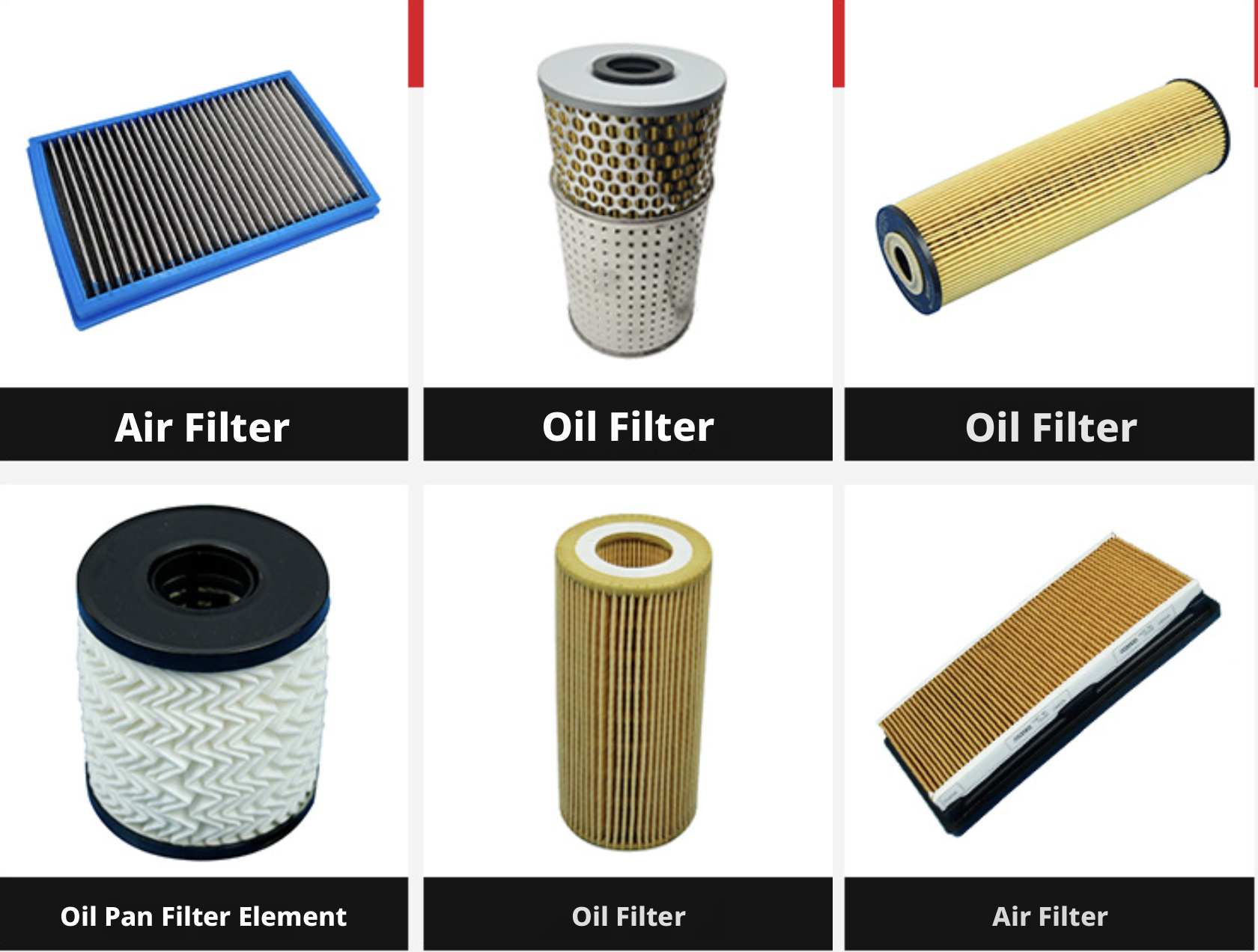
The engine oil filter is often called the “kidney” of the vehicle. Its primary job is to remove microscopic metal shavings, carbon deposits, and dust before the oil circulates back to the delicate moving parts of the engine. Engaging in Oil Filter Manufacturer Wholesale sourcing allows you to control the technical specifications of your inventory, moving away from generic, low-quality filters that often suffer from poor bypass valve calibration or thin filtration media.
Why is factory-direct wholesale necessary? In 2026, many aftermarket filters are “clones” that look identical on the outside but fail internally. A dedicated Oil Filter Manufacturer Wholesale facility follows the IATF 16949 quality management system. This ensures that every filter undergoes leak testing and pressure pulse fatigue testing. For high-volume importers, this direct link also facilitates “Private Label” (OEM) customization, allowing you to build your own brand equity while benefiting from factory-level pricing and technical support.
Technical Essentials: Evaluating Filter Quality During Wholesale Procurement
To master your Oil Filter Manufacturer Wholesale strategy, you must understand the internal components that differentiate a premium filter from a budget one:
1. High-Efficiency Synthetic Blend Media
The heart of the filter is the paper. Premium manufacturers use a blend of cellulose and synthetic fibers.
-
The “Why”: Synthetic fibers have a higher “dust-holding capacity” and can trap particles as small as 20 microns. This is crucial for modern engines with tight tolerances, where even a tiny particle can cause “scoring” on the cylinder walls.
2. Silicone Anti-Drainback Valve (ADBV)
Look for a red silicone valve rather than black nitrile rubber during your Oil Filter Manufacturer Wholesale audit.
-
Detail: Silicone remains flexible at extreme temperatures (-40°C to 150°C). It prevents oil from draining out of the filter when the engine is off, ensuring “instant” lubrication upon startup—the moment when 70% of engine wear occurs.
3. Heavy-Duty Steel Shell and Core
The housing must withstand high internal pressures.
-
Why? During a cold start in winter, oil pressure can spike. A thin shell from a low-quality supplier might “balloon” or burst, leading to catastrophic oil loss. A professional Oil Filter Manufacturer Wholesale partner uses cold-rolled steel with a reinforced base plate to ensure structural integrity under 200+ PSI.
Step-by-Step Guide: How to Source and Test Bulk Filters
If you are new to Oil Filter Manufacturer Wholesale procurement, follow these steps to validate your supplier:
-
Request a Cutaway Sample: Ask the factory to provide a bisected model of their filter. Check the number of pleats in the media; more pleats mean more surface area for filtration.
-
Verify Bypass Valve Setting: Each vehicle has a specific bypass pressure. If the filter gets clogged, the valve must open to prevent oil starvation. Ensure the factory can calibrate this to your specific vehicle applications (e.g., 8-11 PSI or 20-25 PSI).
-
Perform a “Sealing Test”: Inspect the gasket. It should be made of high-quality EPDM rubber with a lubricated surface to prevent “binding” during installation.
Comparison of Wholesale Filter Types
| Filter Type | Best For | Advantages | Disadvantages |
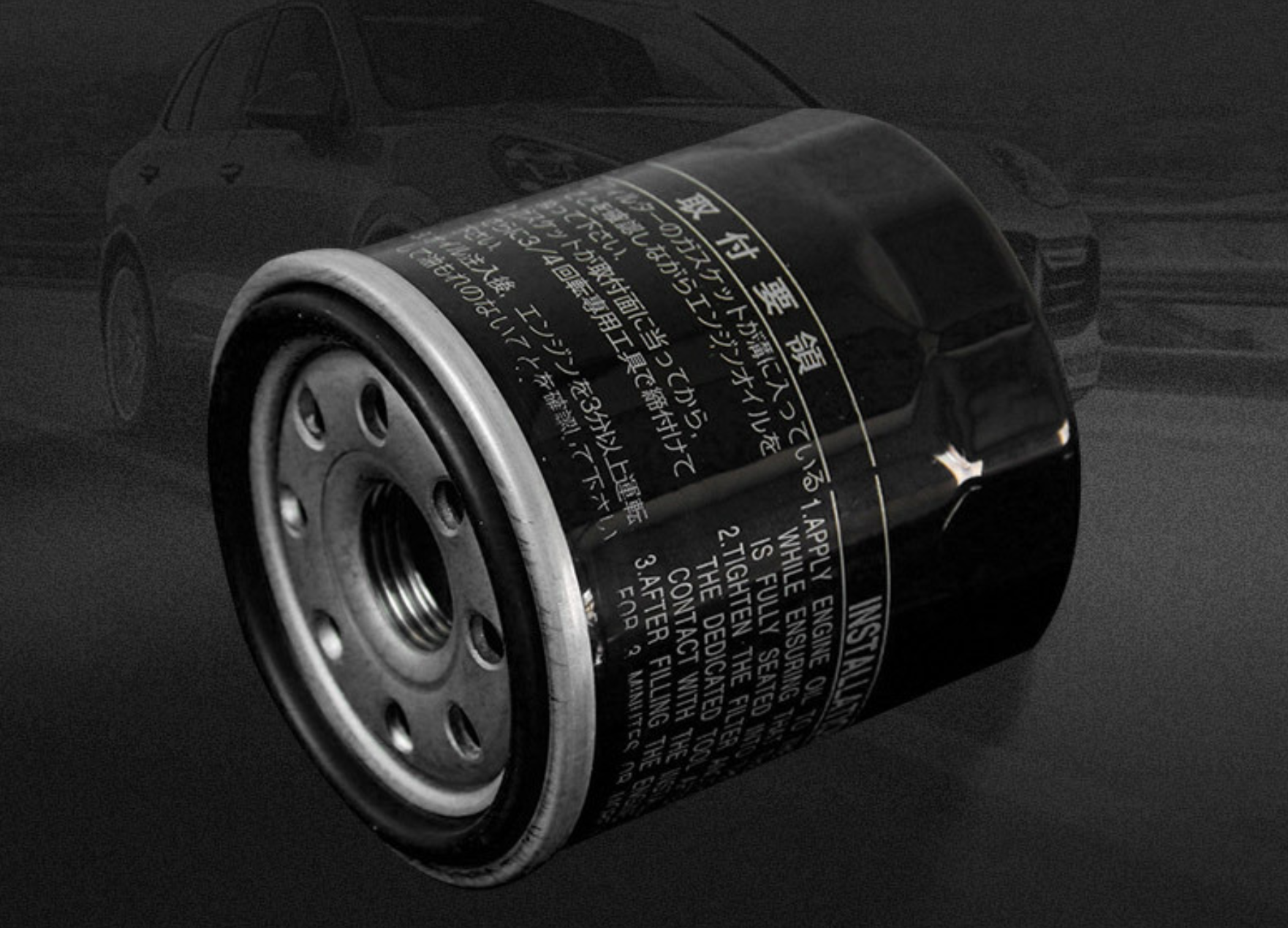
| Spin-On Filter | Older/Traditional Engines | Easy to replace, durable shell. | More waste (metal housing). |
| Element/Cartridge | Modern European/EV-Hybrid | Eco-friendly, easy to inspect. | Requires careful O-ring seating. |
| High-Performance | Racing/Heavy Towing | Maximum flow, wire-backed media. | Higher unit cost. |
FAQ: Common Questions in Oil Filter Procurement
Q: Can one filter fit multiple car models?
A: Yes, many filters share the same thread size (e.g., M20x1.5 or 3/4″-16) and gasket diameter. However, during Oil Filter Manufacturer Wholesale planning, always cross-reference the internal volume and bypass settings to ensure complete compatibility.
Q: What is the “Beta Ratio” of a filter?
A: The Beta Ratio ($\beta$) is a formula used to express a filter’s efficiency. For example, $\beta_{20} = 75$ means the filter captures 98.7% of particles 20 microns or larger. Always ask your wholesale partner for their lab’s Beta Ratio reports.
Q: Why is “Private Labeling” popular in wholesale?
A: It allows distributors to set their own retail prices and build brand loyalty. Most Oil Filter Manufacturer Wholesale factories in China offer silk-screening and custom box printing for orders over 2,000 to 5,000 units.
Summary: Building a Reliable Supply Chain for 2026
Success in Oil Filter Manufacturer Wholesale is built on a foundation of technical transparency and consistent quality. By choosing a manufacturer that prioritizes synthetic media, silicone valves, and rigorous pressure testing, you protect your customers’ engines and your business’s reputation. Whether you are supplying for a fleet of ride-sharing vehicles or a high-end luxury car workshop, the right filter is the most cost-effective insurance policy an engine can have.
Keywords & Tags:
Oil Filter Manufacturer Wholesale, Engine Filtration Sourcing, Bulk Oil Filters China, Private Label Oil Filters, Automotive Filter Factory, Synthetic Media Oil Filters, Spin-On Filter Wholesale, IATF 16949 Filters, Car Maintenance Supply Chain, Wholesale Auto Parts 2026