In the rapidly expanding electric vehicle market, the quality of energy storage is the most critical factor for performance and safety. This comprehensive guide explores the strategic nuances of Automotive Grade Lithium-ion Battery Cell Wholesale & Procurement to assist global manufacturers in securing a stable supply of high-energy-density power. Navigating the world of Automotive Grade Lithium-ion Battery Cell Wholesale & Procurement in 2026 requires a deep understanding of chemical stability, cycle life, and rigorous international safety standards, as these cells are the fundamental building blocks of the modern transportation revolution.
The Vital Standards of Automotive Grade Lithium-ion Battery Cell Wholesale & Procurement
Choosing the right battery cell is not just about capacity; it is about “Automotive Grade” reliability. Unlike consumer electronics cells found in laptops or toys, cells for vehicles must endure high-discharge rates and extreme vibration for over a decade.
Why is the “Automotive Grade” designation so important? Standard cells might fail after 500–1,000 cycles, but cells sourced through Automotive Grade Lithium-ion Battery Cell Wholesale & Procurement are designed to maintain over 80% capacity after 3,000+ deep cycles. Furthermore, these cells must meet the UN38.3 (transportation safety), IEC 62660, and UL 2580 certifications. Without these, a vehicle cannot be legally sold or insured in major markets like Europe or North America.
Strategic Steps for Effective Procurement & Wholesale
To build a resilient supply chain, procurement professionals should follow these detailed operational steps:
1. Selecting the Chemistry (LFP vs. NCM)
The first step in Automotive Grade Lithium-ion Battery Cell Wholesale & Procurement is deciding on the cathode chemistry.
-
LFP (Lithium Iron Phosphate): Known for extreme safety and long cycle life. It is the preferred choice for mass-market EVs and energy storage systems because it is less prone to thermal runaway.
-
NCM (Nickel Cobalt Manganese): Offers higher energy density, meaning more range for the same weight. This is the “performance” choice for long-range luxury EVs.
-
Expert Tip: In 2026, many wholesalers are seeing a shift toward “LMFP” (adding Manganese to LFP) to bridge the gap between safety and energy density.
2. Verifying Cell Consistency and Grading
When buying in bulk, “Grading” is everything. Manufacturers categorize cells into Grade A, B, and C.
-
Grade A: Meets 100% of the datasheet specifications for capacity and internal resistance. These are the only cells suitable for EV traction batteries.
-
Grade B: May have slight cosmetic defects or a 2% variance in capacity. These are often repurposed for stationary solar storage.
-
Why it matters: In a battery pack with 100 cells, the entire pack’s performance is limited by the weakest cell. High-quality wholesale procurement ensures that the voltage variance between cells is less than 5mV.
3. Factory Audit and Traceability
A professional Automotive Grade Lithium-ion Battery Cell Wholesale & Procurement process must include a digital traceability audit. Each cell should have a unique QR code linked to its “Birth Certificate,” documenting the raw material batch, the coating machine used, and the final aging test results.
Comparison of Procurement Channels
| Channel Type | Best For | Pros | Cons |
| Direct Tier 1 Factory | Large OEMs | Direct technical support, lowest price. | Multi-million dollar MOQs, 6-month lead times. |
| Authorized Wholesalers | Medium Factories | Faster delivery, flexible payment terms. | Slight markup on unit price. |
| Secondary Market | Prototyping | Immediate stock available. | Risk of “used” or Grade B cells being sold as Grade A. |
FAQ: Navigating the Battery Market
Q: Why is there a price difference between Prismatic and Cylindrical cells?
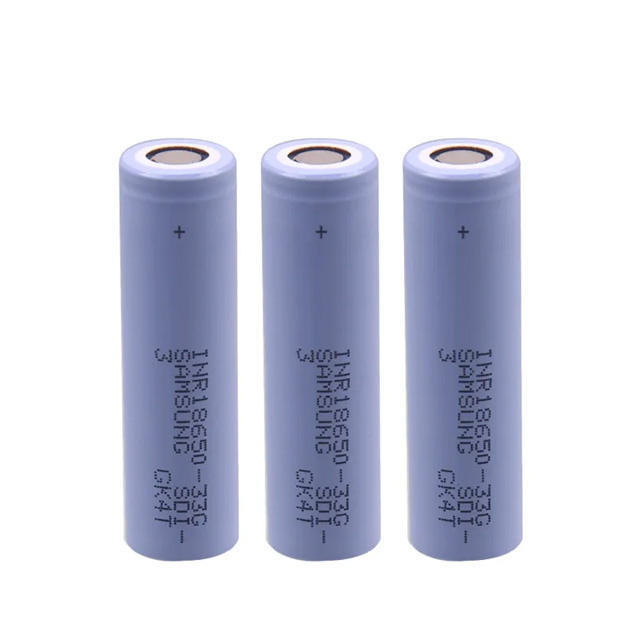
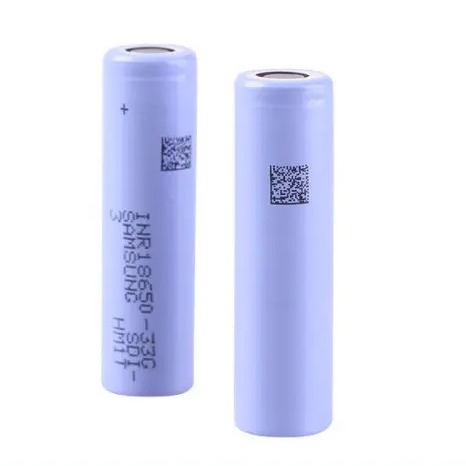
A: Prismatic cells (large rectangular blocks) are easier to assemble into packs but require expensive specialized housing. Cylindrical cells (like the 21700 or 46800) are cheaper to manufacture at high speeds and offer better heat dissipation due to the gaps between cells.
Q: How does 2026 logistics affect battery cell wholesale?
A: Battery cells are classified as Class 9 Dangerous Goods. Wholesale shipping requires specialized “UN boxes” and temperature-monitored containers. Importers must ensure their local port is equipped to handle hazardous energy materials.
Q: Can I customize the cell dimensions?
A: Yes, but only for very high volumes. Most Automotive Grade Lithium-ion Battery Cell Wholesale & Procurement focuses on standardized sizes (like VDA dimensions) to keep costs low and ensure compatibility with standard Battery Management Systems (BMS).
Summary for Global Buyers
The key to success in Automotive Grade Lithium-ion Battery Cell Wholesale & Procurement is moving beyond the “price per kWh” mindset. By focusing on Grade A consistency, selecting the appropriate chemistry for your target climate, and ensuring 100% traceability, you protect your brand from safety recalls and ensure a superior driving experience for your customers.
Keywords & Tags:
Automotive Grade Lithium-ion Battery Cell Wholesale & Procurement, LFP Battery Sourcing, NCM EV Cells, Grade A Battery Wholesaler, Lithium Battery Supply Chain 2026, Prismatic Battery Cells, EV Power Battery Procurement, 46800 Battery Cells, UN38.3 Certified Cells, High Energy Density Batteries