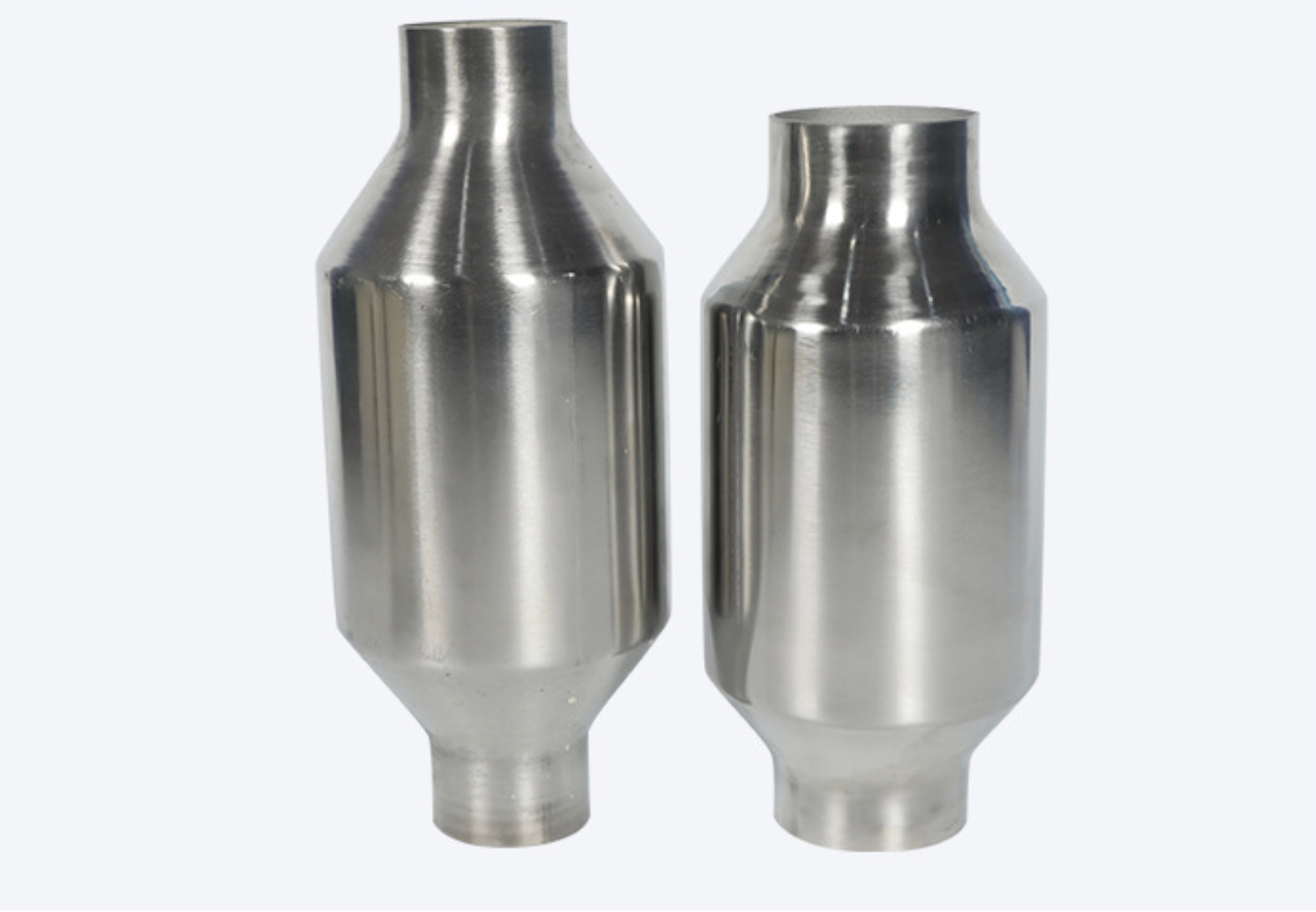
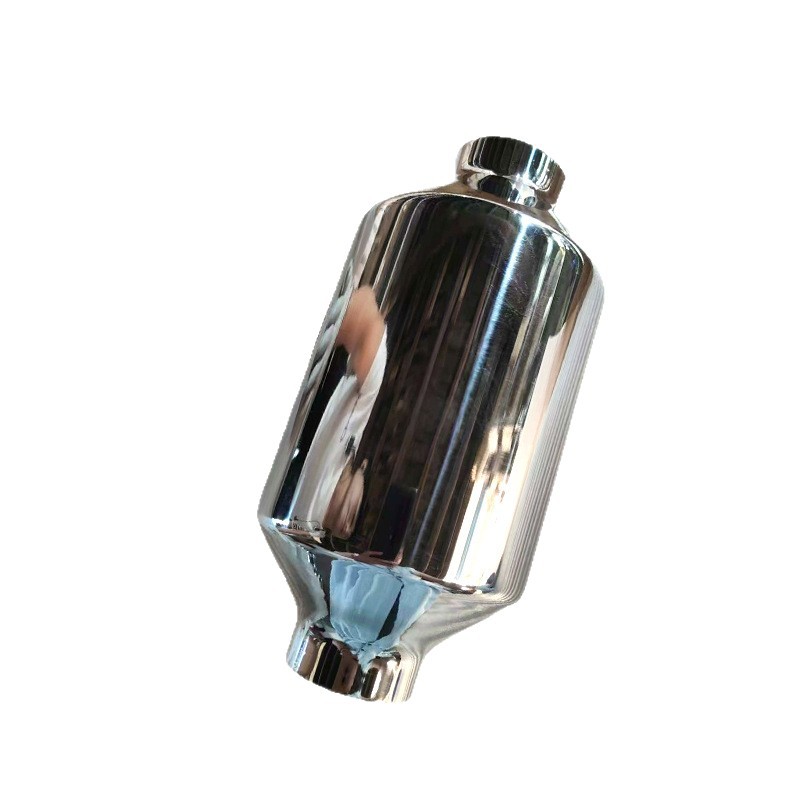
In the demanding environment of modern automotive engineering, ensuring the longevity and efficiency of exhaust systems is paramount for both environmental compliance and engine performance. This specialized guide explores the technical advantages of the Wear-Resistant and Corrosion-Resistant Cored Three-Way Catalytic Converter to help global distributors and maintenance professionals source high-durability emission solutions. By integrating a Wear-Resistant and Corrosion-Resistant Cored Three-Way Catalytic Converter into a vehicle’s exhaust architecture, operators can significantly reduce the risk of substrate “poisoning” and structural failure, ensuring that the precious metal catalysts remain active and effective throughout the vehicle’s extended lifecycle in diverse global climates.
The Science Behind the Wear-Resistant and Corrosion-Resistant Cored Three-Way Catalytic Converter
The traditional three-way catalytic converter (TWC) often faces two silent killers: mechanical wear from engine vibration and chemical corrosion from acidic exhaust condensates. A Wear-Resistant and Corrosion-Resistant Cored Three-Way Catalytic Converter addresses these issues through a multi-layered approach to material science.
Why is this specialized core necessary? In many regions, fuel quality varies, and high sulfur content can lead to the formation of sulfuric acid in the exhaust stream. Standard ceramic monoliths can become brittle under these conditions. However, the “Cored” design utilizes a reinforced substrate—often a metallic mesh or a toughened cordierite ceramic—that is vacuum-impregnated with a stabilized washcoat. This washcoat contains Rare Earth Metals (like Cerium and Zirconium) that act as an oxygen storage component (OSC), protecting the active Platinum, Palladium, and Rhodium from thermal degradation and corrosive attack.
Technical Breakdown: How It Prevents Wear and Corrosion
To understand why the Wear-Resistant and Corrosion-Resistant Cored Three-Way Catalytic Converter is superior, we must look at its protective “Armor” layers:
1. Anti-Corrosive Washcoat Technology
The internal surface is treated with a specialized alkaline washcoat.
-
The “Why”: Exhaust gases contain NO$x$, CO, and HC. When the engine is cold, water vapor reacts with these to form acids. The anti-corrosive layer neutralizes these acids on contact, preventing the “honeycomb” structure from crumbling.
-
Detail: This technology is particularly vital for hybrid vehicles (HEVs) where the engine frequently turns on and off, leading to more condensation buildup than traditional long-haul internal combustion engines.
2. Wear-Resistant Mechanical Interlocking
The “Core” is wrapped in a high-density intumescent mat or a stainless steel wire mesh.
-
The “Why”: Road vibration and thermal expansion (the “accordion effect”) can cause the substrate to knock against the steel outer shell. A Wear-Resistant and Corrosion-Resistant Cored Three-Way Catalytic Converter uses an interlocking mechanical seal that expands when heated, securing the core perfectly in place and preventing physical erosion of the catalyst edges.
Step-by-Step Installation & Maintenance Guide
When upgrading to a Wear-Resistant and Corrosion-Resistant Cored Three-Way Catalytic Converter, follow these professional steps to maximize its lifespan:
-
System Flush: Before installation, check the engine for oil leaks or coolant consumption. Why? Phosphorus from engine oil can “glaze” the catalyst, rendering even the most corrosion-resistant core useless.
-
Oxygen Sensor Calibration: Always replace the Upstream and Downstream $O_2$ sensors. A faulty sensor can lead to a “rich” fuel mixture, causing the converter to overheat (thermal melting).
-
Visual Heat Shield Inspection: Ensure the external heat shields are tightened. This prevents external debris from causing localized “cold spots” that could lead to uneven thermal expansion and mechanical wear.
Comparison: Ceramic vs. Metallic Cored Converters
| Feature | Standard Ceramic TWC | Metallic Cored TWC | Wear/Corrosion-Resistant Cored TWC |
| Thermal Shock Resistance | Moderate | High | Superior (Reinforced) |
| Light-Off Time | Slower | Fast | Fastest (Proprietary Washcoat) |
| Corrosion Protection | Low | Moderate | High (Chemical Barrier) |
| Durability (KM) | 80,000 – 120,000 | 150,000 | 200,000+ |
FAQ: Common Questions on Advanced Catalytic Technology
Q: Does a “Wear-Resistant” core affect the exhaust backpressure?
A: Quite the opposite. Because a Wear-Resistant and Corrosion-Resistant Cored Three-Way Catalytic Converter uses a more robust substrate, the cell walls can be made thinner (e.g., 400 or 600 cpsi) without losing strength. This actually improves exhaust flow and increases horsepower compared to bulky, lower-quality replacements.
Q: Can this converter help pass strict 2026 emissions tests?
A: Yes. These units are engineered to meet Euro 6d and EPA Tier 3 standards. The corrosion resistance ensures that the precious metal loading remains exposed to the gas stream rather than being buried under rust or soot.
Q: Why is it called “Three-Way”?
A: It simultaneously performs three chemical reactions: 1. Reduction of Nitrogen Oxides ($NO_x$) to Nitrogen and Oxygen. 2. Oxidation of Carbon Monoxide ($CO$) to Carbon Dioxide. 3. Oxidation of unburnt Hydrocarbons ($HC$) to Carbon Dioxide and Water.
Summary for Global Procurement
Selecting a Wear-Resistant and Corrosion-Resistant Cored Three-Way Catalytic Converter is a strategic investment in vehicle longevity. By focusing on IATF 16949-certified manufacturing and advanced washcoat chemistry, distributors can offer a product that survives the harshest road salts, the lowest-quality fuels, and the most intense mechanical vibrations. In the long run, this reduces warranty claims and builds a reputation for providing OE-level (or better) reliability.
Keywords & Tags:
Wear-Resistant and Corrosion-Resistant Cored Three-Way Catalytic Converter, Automotive Emission Sourcing, High Durability TWC, Anti-Corrosive Exhaust Parts, Catalytic Converter Wholesale, Euro 6 Emission Components, Metallic Core Catalyst, Rare Earth Washcoat, Performance Exhaust Procurement, Car Parts Supply Chain 2026