In the highly specialized world of automotive manufacturing, precision is the primary currency of safety and efficiency. This comprehensive guide explores the strategic landscape of Automotive Pressure Sensor Factory Wholesale to help global distributors and Tier 1 suppliers secure high-performance components. When navigating the complexities of Automotive Pressure Sensor Factory Wholesale in 2026, it is essential to look beyond the unit price and focus on sensor calibration accuracy, MEMS (Micro-Electro-Mechanical Systems) technology integration, and long-term durability in extreme environments, as these sensors serve as the “nervous system” for modern internal combustion and electric vehicles alike.
The Strategic Advantage of Automotive Pressure Sensor Factory Wholesale
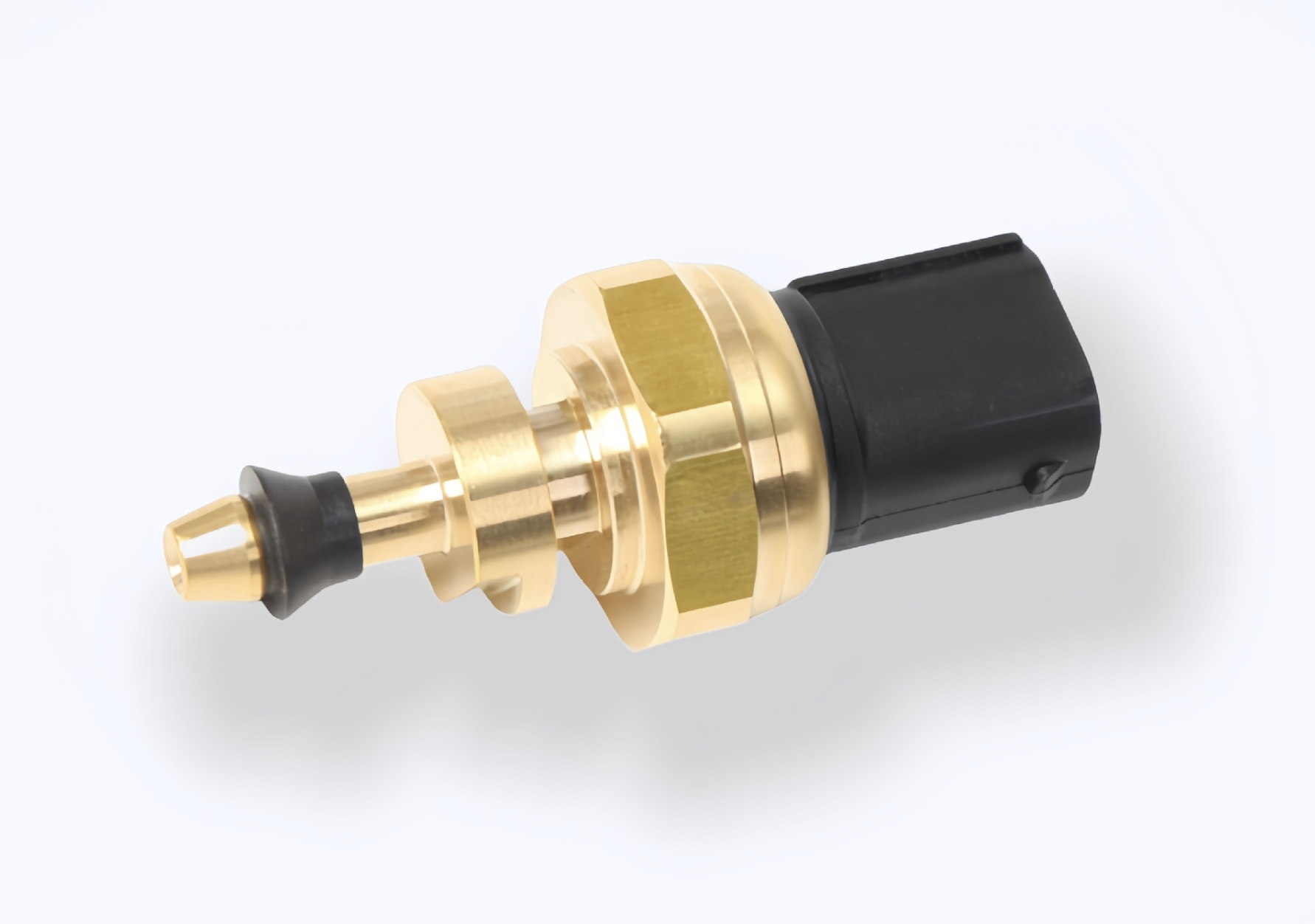
Pressure sensors are ubiquitous in modern vehicles, monitoring everything from intake manifold air pressure (MAP) to high-pressure common rail fuel systems and AC refrigerant levels. Engaging directly with an Automotive Pressure Sensor Factory Wholesale partner provides significant advantages in terms of customization and technical support.
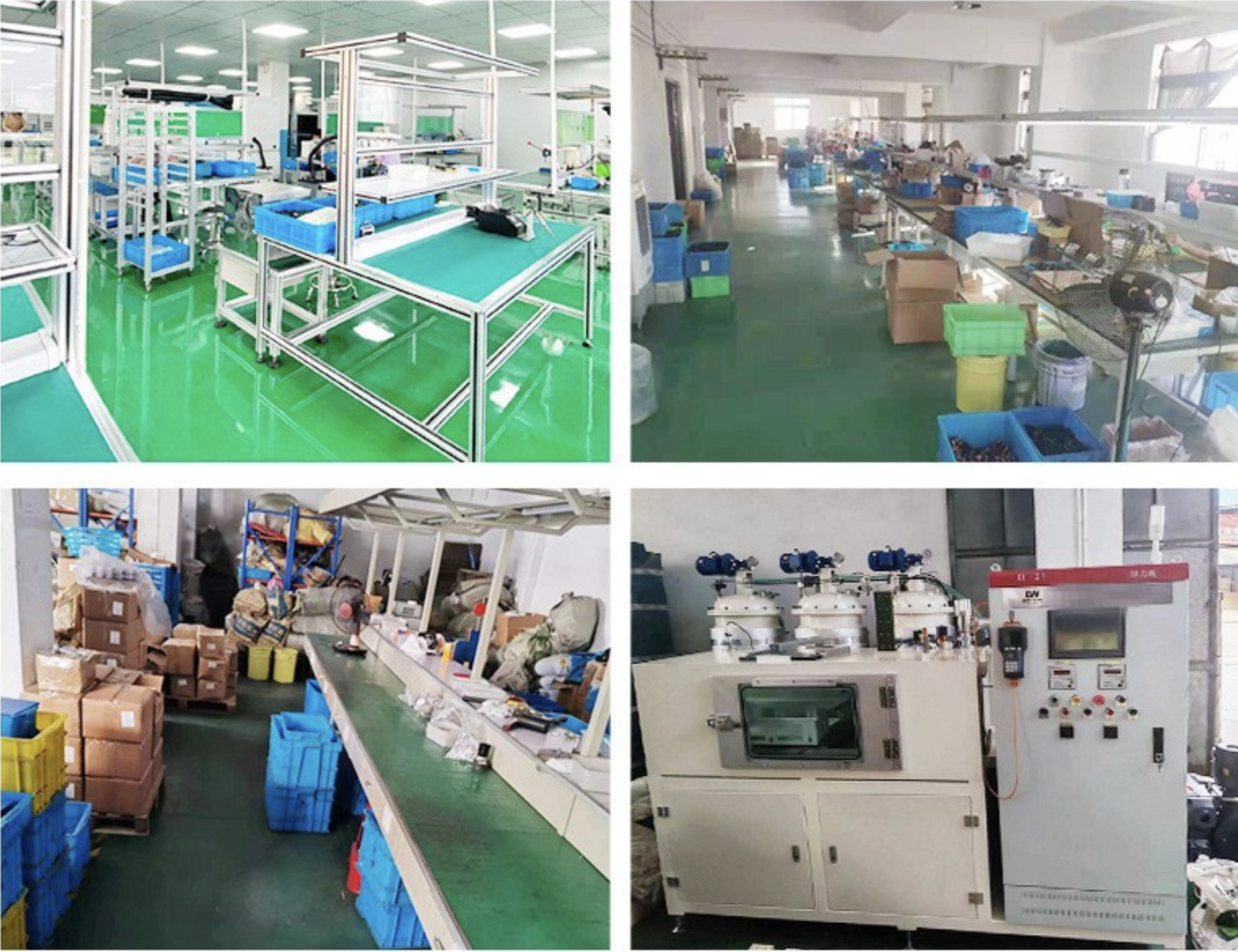
Why is factory-direct sourcing necessary? In the 2026 automotive market, sensors must meet the IATF 16949 quality standard. By bypassing middlemen, you ensure that the sensors are produced in a controlled “clean room” environment, which is vital for MEMS-based components. Even a microscopic dust particle during the silicon-wafer bonding process can lead to signal drift over time. Specialized factories provide the rigorous testing—including thermal cycling from -40°C to +150°C—that standard industrial wholesalers simply cannot guarantee.
Technical Breakdown: Core Categories in Wholesale Procurement
To master your Automotive Pressure Sensor Factory Wholesale strategy, you must categorize your requirements based on the medium and pressure range:
1. Intake Air & Exhaust Pressure Sensors (MAP/BAP)
These sensors monitor atmospheric and manifold pressure to optimize the air-fuel ratio.
-
Technology: Usually based on piezoresistive silicon technology.
-
Why? Accurate MAP sensors are critical for reducing emissions and improving fuel economy. In 2026, with stricter “Euro 7” style regulations worldwide, even a 1% deviation in pressure reading can lead to an engine management error code.
2. Oil and Fuel Rail Pressure Sensors
These are high-pressure sensors capable of measuring up to 200 MPa (29,000 PSI) in diesel systems.
-
Technology: Stainless steel thin-film or ceramic thick-film structures.
-
Detail: These must be resistant to corrosive fluids. Wholesale buyers should ensure the factory uses high-grade stainless steel (316L or 17-4PH) for the sensor housing to prevent leaks under high-stress cycles.
3. EV Battery Cooling & Brake System Sensors
As the market shifts to Electric Vehicles (EVs), Automotive Pressure Sensor Factory Wholesale increasingly focuses on liquid cooling loops and electronic braking systems (eBraking). These sensors ensure the battery pack remains within the optimal temperature window to prevent thermal runaway.
Step-by-Step Guide: How to Verify a Wholesale Factory
Follow these professional steps when auditing a potential factory partner:
-
Request the IATF 16949 Certificate: This is the “gold standard” for automotive quality management. Ensure the certificate is current and covers the specific manufacturing site.
-
Evaluate the Calibration Process: Ask the factory about their End-of-Line (EOL) testing. Why? A professional factory will perform a multi-point temperature and pressure compensation to ensure the output signal (0-5V or SENT protocol) is linear across the entire operating range.
-
Check Signal Protocols: Ensure the factory can customize the output. While traditional analog signals are common, many 2026 vehicle platforms require digital protocols like SENT (Single Edge Nibble Transmission) or CAN-Bus for better noise immunity.
Comparison of Sourcing Channels
| Feature | Direct Factory Wholesale | Trading Companies | Online B2B Platforms |
| Pricing | Lowest (Volume-based) | Moderate | Variable/Higher |
| Customization | Full (Logo/Protocol) | Limited | None |
| Quality Control | Direct Factory Audit | Third-party Reports | Hit or Miss |
| Technical Support | Engineer-to-Engineer | Sales-to-Purchaser | General FAQ |
FAQ: Common Questions in Sensor Procurement
Q: What is the difference between Absolute, Gauge, and Differential pressure sensors?
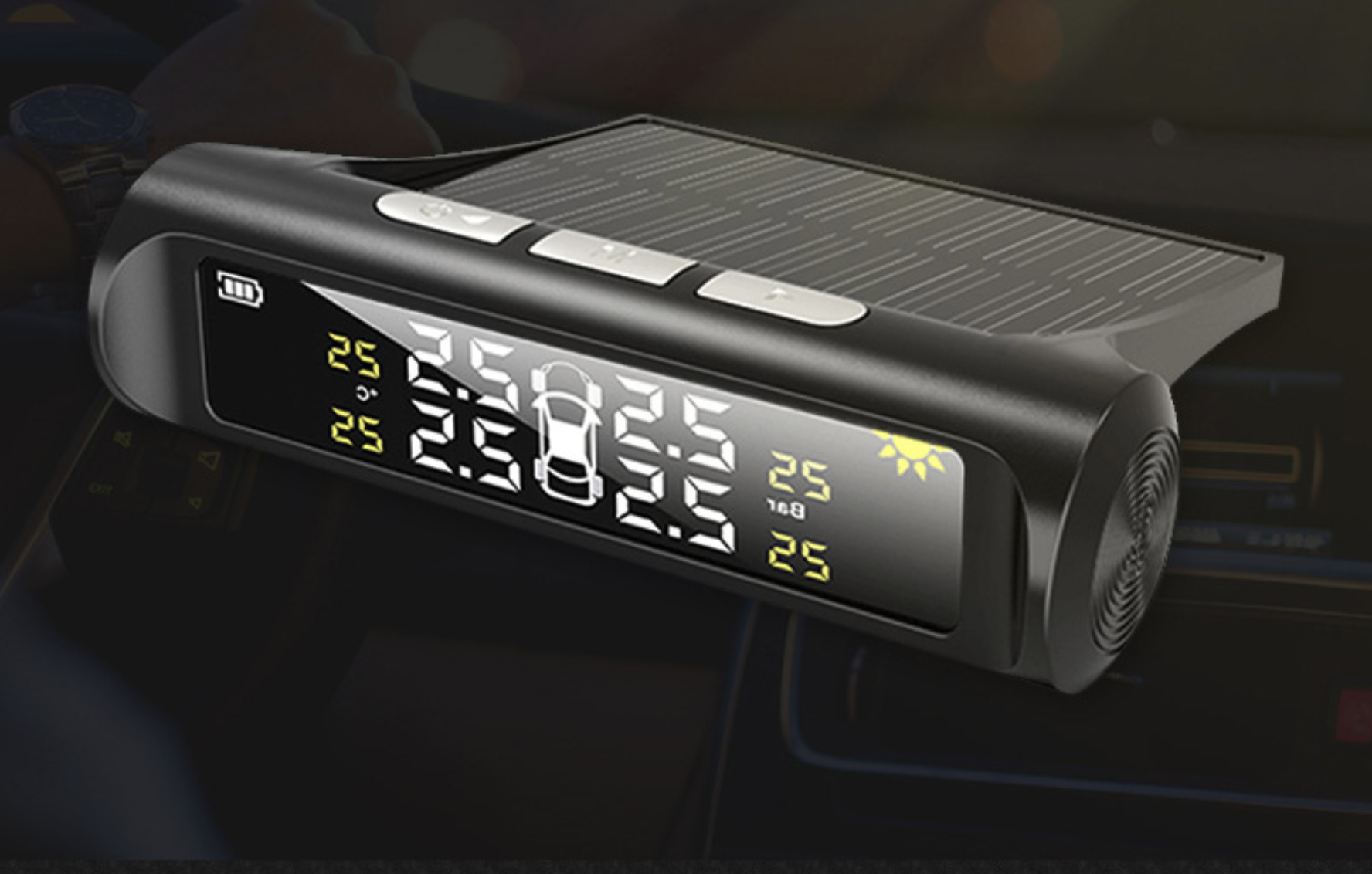
A: Absolute sensors measure relative to a vacuum (e.g., MAP); Gauge sensors measure relative to atmospheric pressure (e.g., Tire Pressure); Differential sensors measure the difference between two points (e.g., DPF filters). Understanding this is crucial for correct Automotive Pressure Sensor Factory Wholesale selection.
Q: Why do some sensors have gold-plated terminals?
A: In the automotive environment, vibration can cause “fretting corrosion” at the connector. Gold or high-quality silver plating ensures a stable electrical connection over the 15-year life of a vehicle, preventing “intermittent signal” faults.
Q: Can the factory provide a PPAP package?
A: Yes. Any reputable factory involved in Automotive Pressure Sensor Factory Wholesale must provide a Production Part Approval Process (PPAP) package, including the FMEA (Failure Mode and Effects Analysis) and Control Plan.
Summary for 2026 Procurement Success
By focusing your Automotive Pressure Sensor Factory Wholesale efforts on IATF-certified manufacturers who specialize in MEMS technology and digital signal protocols, you secure a competitive edge in the global market. Whether you are sourcing for traditional ICE engines or the latest EV thermal management systems, prioritizing factory-level calibration and material traceability will ensure your customers receive OE-quality reliability.
Keywords & Tags:
Automotive Pressure Sensor Factory Wholesale, MAP Sensor Manufacturer, Fuel Rail Pressure Sensor Bulk, MEMS Automotive Sensors, IATF 16949 Certified Factory, Intake Air Pressure Sourcing, EV Cooling Pressure Sensors, SENT Protocol Sensors, Oil Pressure Sensor Wholesale, Car Sensor Supply Chain 2026